10 Chickens That Lay Blue and Green Eggs
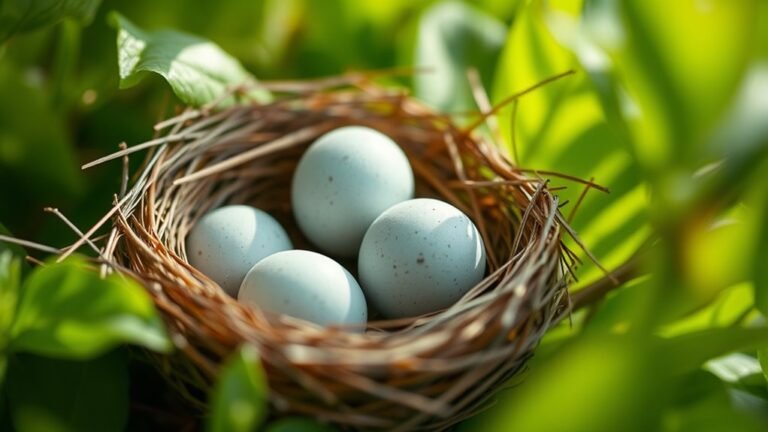
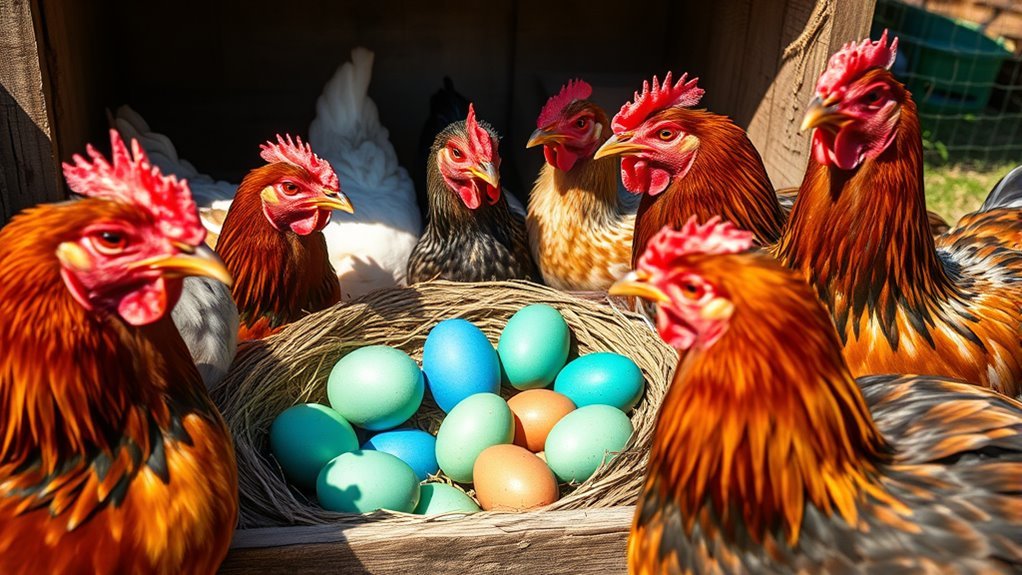
If you want chickens that lay blue and green eggs, consider breeds like Ameraucanas and Araucanas. These birds are known for their consistent blue shells, thanks to the oocyan gene. It’s pretty fascinating how genetics play a role in egg color!
Cream Legbars offer pale blue eggs and come with the bonus of autosexing, which makes it easier to tell males from females.
Then there are Easter Eggers and Olive Eggers, famous for their colorful variations, including green and olive shades.
These breeds don’t just add vibrant, eye-catching eggs to your flock—they’re also popular in specialty markets. Keep exploring to discover how genetics and care influence these beautiful eggshell colors and how you can enjoy a rainbow of eggs every day!
Key Takeaways
- Ameraucana and Araucana chickens consistently lay vibrant blue eggs due to the dominant oocyan gene.
- Easter Eggers produce a variety of egg colors, including blue, green, pink, and speckled eggs.
- Olive Eggers, a cross between blue and brown egg layers, lay distinctive olive-green eggs.
- Cream Legbars are known for pale blue eggs and autosexing traits for easy gender identification.
- These breeds are popular for their unique shell colors and appeal in specialty and farm-fresh markets.
Why Blue and Green Eggs Are So Special
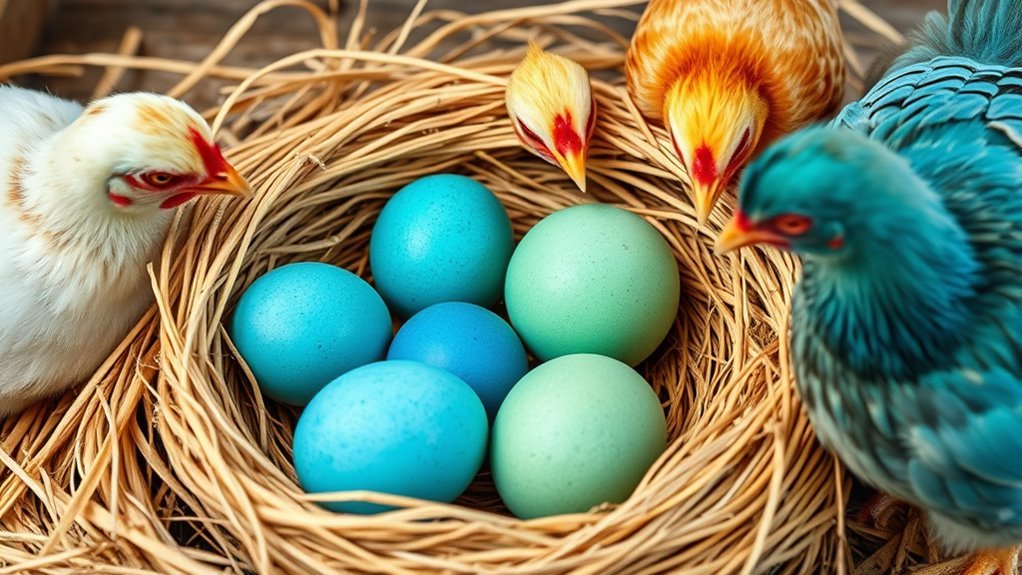
Although they might look unusual, blue and green eggs catch your eye because of their vibrant, unique shell colors that stand out from typical white and brown eggs. When you see blue eggs, you’re actually noticing the pigment biliverdin, which is deposited early in the shell color formation process.
This pigment gives the eggs a consistent, deep blue hue that’s quite striking. Green eggs happen when a brown pigment overlays the blue, creating that distinct shade.
You’ll often find these eggs featured in specialty markets where their novelty and visual appeal attract consumers and hobbyists alike. Even though their shell color is unique, it doesn’t change the taste or nutrition, but it certainly makes these eggs feel special and different from the ordinary.
Genetics Behind Blue and Green Eggshell Colors
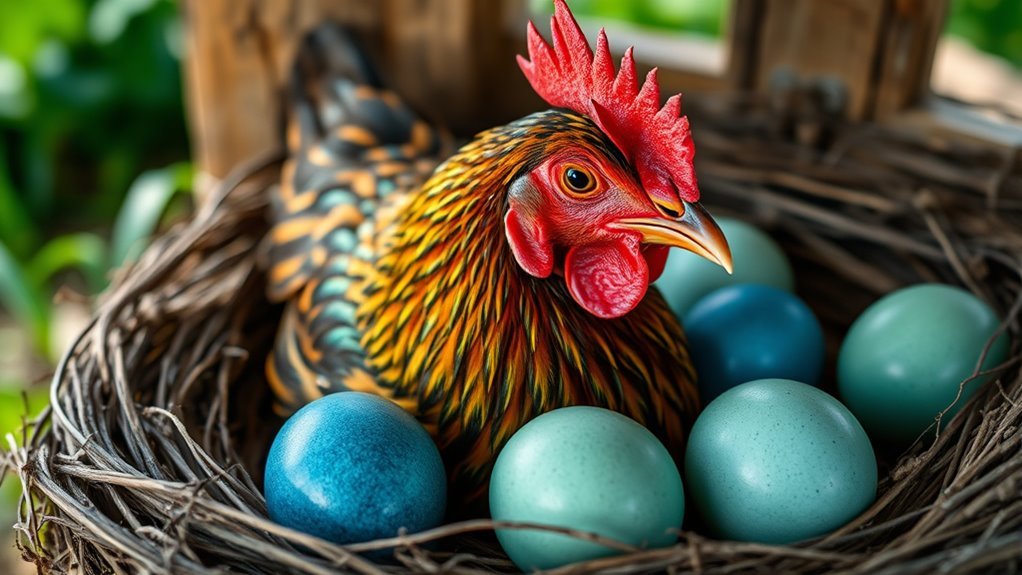
When you look at blue and green eggs, their unique colors come from specific genetic traits inherited from breeds like Araucanas and Ameraucanas. The genetics behind blue eggshell colors mainly involve the oocyan gene, which controls the deposition of the blue pigment biliverdin.
This pigment colors the eggshell inside and out, giving it a consistent blue hue. In green eggs, the genetics are a bit more complex: the blue pigment from the oocyan gene combines with brown pigment deposited later, producing various green shades.
While environmental factors and the hen’s age can influence eggshell color intensity, the breed’s genetics remain the key determinant. So, when you spot a blue or green egg, you’re seeing the direct result of specific genetic inheritance in these specialized breeds.
Eggshell Pigments and How They Create Color
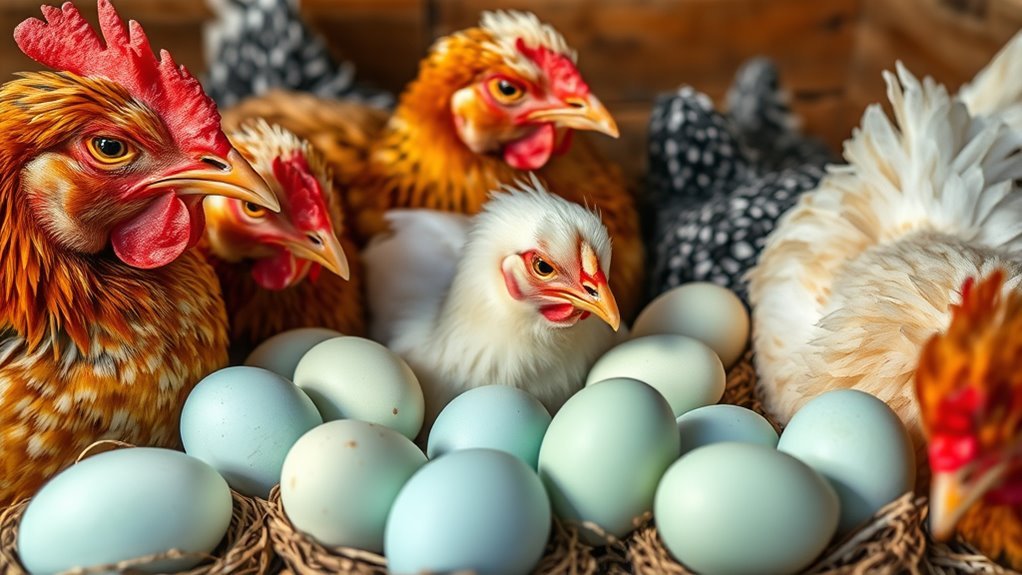
You might not realize that all eggs start out white before pigments add color during shell formation. The timing and types of pigments, like blue oocyanin or brown protoporphyrin, determine whether the egg ends up blue, green, or brown.
Understanding how these pigments layer and deposit helps explain the unique shades you see in eggshells. It’s pretty fascinating once you think about it!
Types of Eggshell Pigments
How do chickens produce such a variety of eggshell colors? It all comes down to the types of pigments they deposit during shell formation. Blue eggs get their unique hue from biliverdin, a greenish-blue pigment that penetrates the entire eggshell.
This pigment creates consistent blue coloration inside and out. Brown eggshells, on the other hand, owe their color to protoporphyrin, a reddish-brown pigment that mainly coats the outer surface.
When both pigments combine, you get green eggshells—the blue biliverdin pigment lies beneath, while the brown protoporphyrin overlays it. This layering of pigments creates distinct green coloration.
Understanding these pigments—biliverdin and protoporphyrin—helps you appreciate the fascinating pigmentation process behind the beautiful blues, browns, and greens you see in eggshells.
Pigment Deposition Process
Although all eggshells start as plain white calcium carbonate, the remarkable colors you see come from pigments deposited during shell formation. Understanding the pigment deposition process helps you appreciate how eggshell color develops.
First, biliverdin is deposited early during shell formation, giving blue eggs their unique color. This pigment spreads uniformly throughout the shell, so blue eggs show the same color inside and out.
Next, brown pigment, protoporphyrin, is added later, mainly on the outer surface. This mainly affects brown eggs.
And here’s something cool: green eggs happen when a blue shell gets a brown pigment overlay during shell formation. The two pigments blend together to create that green color.
Color Variations Explained
The stunning colors of eggshells come down to when and where pigments get laid down during shell formation. All eggs start with a white calcium carbonate shell, but blue eggshells get their color from biliverdin, which is deposited early and evenly throughout the shell.
This early pigment deposition gives blue eggshells their uniform shade inside and out. Green eggs, on the other hand, result from a unique combination: a blue shell formed first, then overlaid with brown pigment late in shell formation.
This layering creates shells that are blue inside but greenish outside. Understanding these timing and pigment differences helps you appreciate how hens produce such beautiful blue and green eggs naturally through precise pigment deposition during shell formation.
Crossbreeding and Egg Color Variations in Blue and Green Layers
When you crossbreed chickens that lay blue and brown eggs, you get unique colors like olive green from the mix of pigments. Hybrid breeds like Easter Eggers show just how varied egg colors and patterns can be thanks to their diverse genetics.
Understanding these genetic influences helps you appreciate the wide range of beautiful eggs your hens can produce. It’s pretty fascinating how much variety there is just from combining different breeds!
Genetic Influence on Color
If you crossbreed blue egg layers like Ameraucanas or Araucanas with brown egg layers such as Marans, you’ll often get hens that lay green or olive-colored eggs. The eggshell color results from genetic inheritance mixing blue eggshell pigment (biliverdin) with brown pigments.
This crossbreeding creates unique color variations you won’t find in pure breeds. Here’s what you should know:
- The blue egg gene is dominant and deposits biliverdin early in shell formation.
- Brown egg layers contribute protoporphyrin pigments, influencing eggshell color.
- The resulting green or olive eggs come from blending these pigments.
- The shade depends on the specific genes inherited from each parent.
Unique Egg Color Outcomes
Although you might expect eggs from blue and brown layers to simply be blue or brown, crossing these breeds often produces a stunning palette of egg colors and patterns. Hybrid chickens inherit genes from both parents, creating unique egg color outcomes you won’t find in purebreds.
For example, Easter Eggers lay blue, green, pink, and speckled eggs, while Olive Eggers produce olive-hued eggs ranging from light to dark. These variations arise from complex pigment interactions, giving you a vibrant spectrum beyond solid blue eggs.
| Crossbreed | Typical Egg Colors |
|---|---|
| Easter Egger | Blue, green, pink, speckled |
| Olive Egger | Light to dark olive |
| Blue x Brown | Deep pink, dark green |
| Blue x Blue | Blue, speckled |
| Brown x Brown | Brown, speckled |
You’ll enjoy discovering the diverse egg color palette hybrid chickens lay. It’s pretty fun seeing what each new generation brings!
Hybrid Breeds and Patterns
Crossbreeding just a few blue and brown egg-laying breeds can surprise you with a wide array of egg colors and patterns. When you work with hybrid breeds like Easter Eggers and Olive Eggers, the results are fascinating.
Here’s what to expect:
- Hybrid breeds inherit diverse genes, producing blue, green, and multi-colored eggs. It’s pretty cool how varied the colors can be.
- Crossing blue and brown egg layers often creates olive or shaded green eggs. You’ll notice these shades pop up a lot.
- Pigment dominance determines the exact egg color and pattern in hybrids. So, it’s all about which pigments take the lead.
- Some hybrids lay unique eggs with speckles or uncommon shades like deep pink and dark green. These eggs really stand out in the nest!
Top Blue Egg Breeds: Ameraucana and Araucana
Two standout breeds known for laying true blue eggs are the Ameraucana and Araucana. If you want consistent blue eggs, Ameraucana is your best bet—they’re a standardized breed recognized for reliably producing vibrant blue eggshell color.
Araucanas, on the other hand, have a distinctive rumpless look and often sport ear tufts, but they’re trickier to breed for consistent blue eggs. Both breeds carry the dominant oocyan gene, which deposits biliverdin pigment early in shell formation, creating that unique blue hue.
While Araucanas sometimes lay eggs with slight color variations, Ameraucanas deliver more uniform blue eggs. That’s why they’re a favorite among backyard chicken keepers who value both appearance and dependable eggshell color.
Unique Blue and Green Layers: Easter Eggers and Olive Eggers
Several unique chicken breeds stand out for their ability to lay eggs in a variety of blue and green shades, with Easter Eggers and Olive Eggers leading the way. You’ll love their colorful contributions to your flock.
Easter Eggers and Olive Eggers bring beautiful blue and green eggs, adding vibrant color to any flock.
Easter Eggers lay blue eggs, green eggs, and even pink or speckled eggs thanks to their hybrid genetics. It’s pretty fascinating how their genetics mix things up like that.
Olive Eggers come from crossing blue and brown egg layers, producing distinctive olive-green eggs. This crossbreeding creates some really unique egg colors you won’t see every day.
The egg colors vary widely based on the specific genetic traits inherited from parent breeds. So, you never quite know what shade you might get, which keeps things interesting.
Easter Eggers are hardy and versatile, perfect for backyard flocks. On the other hand, Olive Eggers typically lay darker, mossy green eggs that stand out in the basket.
Both breeds add unique hues to your egg basket and bring lively diversity to your poultry collection. They’re a fun way to brighten up your egg routine!
Cream Legbars: Blue Eggs With Autosexing Traits
You’ll appreciate Cream Legbars for their pale blue eggs and the autosexing trait that lets you tell males from females right at hatch.
These friendly, active birds bring both charm and practicality to your flock. Plus, their unique feather colors make them stand out while they forage happily in your backyard.
Autosexing Benefits Explained
Because Cream Legbars carry unique genetic markers, you can tell males and females apart right at hatch by their feather color or crest features. This autosexing trait offers clear advantages for managing your flock.
Here’s why autosexing in Cream Legbars is so beneficial:
- Easy Gender Identification – Quickly distinguish males from females without waiting weeks.
- Efficient Flock Management – Separate pullets and cockerels early to optimize space and care.
- Simplified Breeding – Select breeding pairs with confidence, improving hatch rates.
- Ideal for Backyard Keepers – Save time and effort while enjoying colorful blue eggs from females.
Thanks to this autosexing ability, you’ll find managing your Cream Legbars simpler while enjoying the unique charm of their blue eggs.
Cream Legbar Egg Color
When you raise Cream Legbars, you’ll quickly notice their signature pale blue eggs. It’s a rare and striking color that really stands out in any collection.
This UK breed is prized not just for these blue eggs but also for its autosexing trait. That means you can tell the chicks’ gender right at hatch, which is super handy.
Cream Legbars have a distinctive crest and single comb. These features make them easy to recognize at a glance.
| Trait | Description | Benefit |
|---|---|---|
| Egg Color | Pale blue | Unique, attractive blue eggs |
| Origin | UK | Developed from Araucanas, Leghorns, Plymouth Rocks |
| Autosexing | Yes | Gender identification at hatch |
| Appearance | Crest, single comb | Easy recognition |
| Popularity | Backyard flocks | Friendly, active, good foragers |
You’ll appreciate their reliable blue eggs and practical autosexing features. They’re great birds to have around!
Breed Temperament Traits
Though Cream Legbars are prized for their striking blue eggs, their temperament makes them equally valuable to keepers. This breed offers a calm, friendly nature that suits both beginners and experienced chicken keepers.
When you choose Cream Legbars, you get more than just unique egg colors—you get a well-rounded bird with traits that simplify care and enjoyment.
Here are four key temperament traits of Cream Legbars:
- Friendly and docile, perfect for handling and interaction.
- Autosexing ability enables easy gender identification right at hatch.
- Active foragers who thrive in free-range environments.
- Calm demeanor combined with an attractive appearance.
With this breed, you’ll appreciate both their temperament and their beautiful blue eggs.
Essential Care and Management for Blue and Green Egg Layers
To keep your blue and green egg layers healthy and productive, you’ll need to provide a balanced diet rich in protein and calcium, along with ample coop space and good ventilation. Calcium is essential to guarantee strong shells for those beautiful blue eggs.
Balanced nutrition with protein and calcium, plus spacious, well-ventilated coops, ensures healthy blue and green egg layers.
Maintaining a clean coop environment reduces stress and prevents diseases that can disrupt their laying cycle. Make sure your coop offers enough room to avoid overcrowding, which can lead to aggression and lower egg production.
Introducing new hens gradually helps maintain harmony within the flock. Consistent lighting of 14-16 hours daily encourages regular laying cycles.
Regular health checks and a stress-free environment will keep your hens laying consistently, assuring you enjoy a steady supply of vibrant blue and green eggs.
How to Pick the Best Blue and Green Egg Breed for Your Flock
Selecting the best blue and green egg breed for your flock depends on balancing your desired egg color, laying frequency, and the breed’s temperament. To pick the right breed, consider these factors:
- Choose Ameraucana, Araucana, or Cream Legbar for consistent blue eggs with stable eggshell color and reliable egg-laying frequency. These breeds are known for their predictability.
- Opt for Easter Eggers if you want hybrid egg breeds that lay various blue and green shades and are easy to care for. They add variety and are generally friendly.
- Evaluate your local climate and space to ensure the breed’s temperament and hardiness match your environment. It’s important they thrive where you live.
- Prioritize breeds known for good health and calm temperaments, especially if you’re new to poultry keeping. That way, you’ll have an easier time managing your flock.
Benefits of Raising Blue and Green Egg Layers
Once you’ve chosen the right blue or green egg breed for your flock, you’ll start to notice several benefits that make raising these hens rewarding. You’ll enjoy a colorful egg basket every collection day, brightened by the unique hues of blue eggs.
These breeds often boast excellent egg production, keeping your supply steady and reliable. Plus, their hardy temperaments and adaptability make them well-suited for backyard environments, simplifying care and promoting sustainable poultry keeping.
Raising these hens also offers a fascinating chance to observe breed-specific traits and genetic diversity firsthand. Whether you’re farming for fun, education, or profit, these colorful layers can attract guests or customers who appreciate the visual appeal and health benefits that come with their distinctive eggs.
Frequently Asked Questions
What Is Special About Araucana Chickens?
You’ll find Araucana chickens special because they’re rumpless with ear tufts, hardy in various climates, and rare. Their unique genetics make breeding challenging, but you’ll appreciate their distinctive look and adaptability.
What Time Do Chickens Go to Bed at Night?
Chickens usually go to bed between 7:00 PM and 9:00 PM, depending on the season and location. You’ll want to keep their coop dark and quiet to help them settle in and sleep well through the night.
Do Hens Like to Be Petted?
Yes, many hens enjoy being petted if you approach them calmly and gently. You’ll notice they might purr or coo, especially if you’ve handled them kindly and consistently, building trust and comfort over time.
What Is the Rarest Color of Chicken Eggs?
If you’re chasing the “golden fleece” of eggs, the rarest color you’ll find is dark chocolate brown, mostly laid by Marans chickens. Their rich hue stands out more than blue or green, making them true treasures.
Conclusion
So, you want chickens that lay blue and green eggs because plain white or brown just won’t do? Sure, it might seem like an odd obsession, but once you see those colorful eggs in your basket, you’ll wonder why you ever settled for boring.
Plus, raising these vibrant layers is easier than you think. Who knew that adding a little color to your breakfast could also add a splash of fun to your flock?
Choosing chickens that lay blue and green eggs not only brightens your egg collection but also makes your backyard flock stand out. These unique layers bring a pop of color that’s sure to impress family and friends alike. Whether you’re a seasoned chicken keeper or just starting out, incorporating hens that lay blue and green eggs adds excitement and variety to your daily routine. So go ahead, embrace the charm of colorful eggs and enjoy the delightful surprise every time you gather your fresh eggs!