
How Many Eggs Do You Donate at a Time?
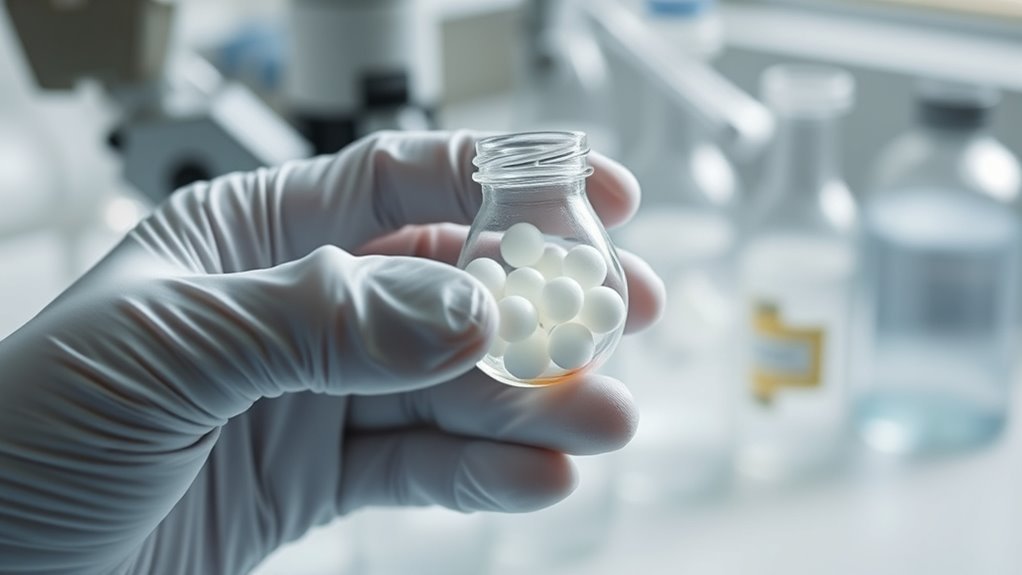
You typically donate between 10 and 15 eggs per cycle, though some donors produce anywhere from 8 to 20. How many eggs you yield depends on your ovarian reserve and how your body responds to hormonal stimulation.
Doctors carefully monitor your cycle to adjust medication for the best balance between egg count and safety.
Since responses can vary each time, understanding the process helps you feel confident about what to expect and what influences your results.
Key Takeaways
- Most donors typically produce and donate between 8 and 15 eggs per cycle. Collecting more than 20 eggs in one cycle is uncommon and generally unnecessary.
- The exact number varies based on individual ovarian reserve and hormonal response. Medical monitoring ensures optimal egg yield while prioritizing donor safety.
- Sometimes, multiple donation cycles may be needed to achieve consistent egg numbers. This helps balance effectiveness with the donor’s health.
Typical Egg Numbers per Egg Donation Cycle

While the number of eggs retrieved during an egg donation cycle can vary, you’ll typically produce between 10 and 15 eggs. This range reflects your ovarian reserve and ovarian response to the hormonal medication administered during the egg donation process.
Your fertility clinic monitors these factors closely to optimize your egg number while ensuring donor health. Most donors produce between 8 and 20 eggs per cycle, but medical guidelines suggest collecting more than 20 is uncommon and unnecessary.
The dose of hormonal medication is carefully adjusted to balance maximizing eggs retrieved and minimizing risks. Understanding these details helps you navigate the egg donation process confidently, knowing that your body’s response and health are prioritized throughout the donation cycle.
Key Factors Influencing Egg Donation Egg Counts
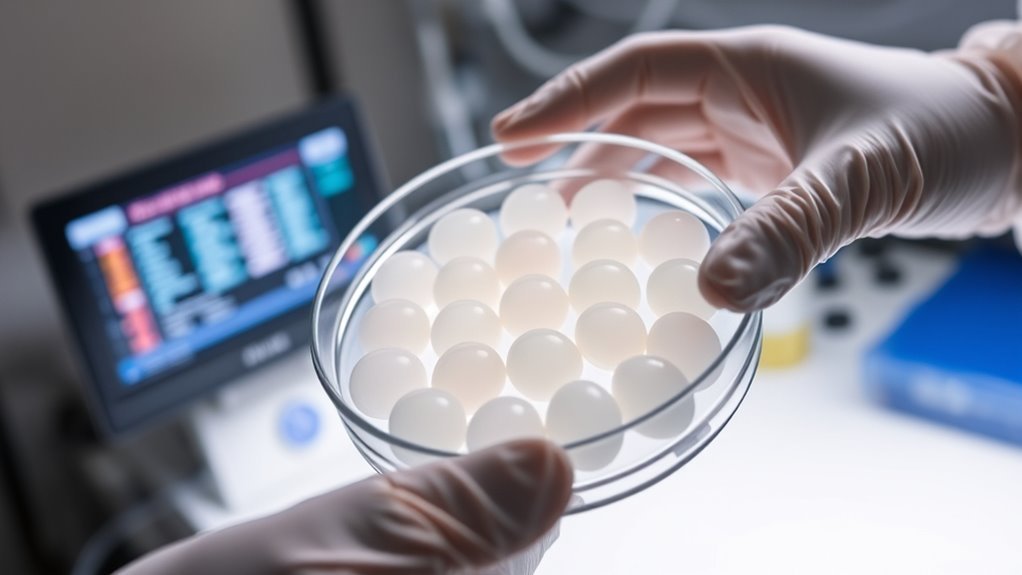
Because your body’s response to hormonal stimulation varies, the number of eggs retrieved during donation cycles can differ markedly from donor to donor. Your egg count depends largely on your ovarian reserve and how well you respond to the stimulation protocol designed for you.
Medical monitoring plays an essential role, as doctors adjust medication dosage to optimize egg yield while guaranteeing your safety. Response variability means some donors may produce more eggs in one cycle and fewer in another. That said, many see consistent results over multiple donation cycles.
During egg retrieval, careful assessment ensures the total egg count maximizes fertilization chances without overburdening your system. Understanding these key factors helps set realistic expectations for your donation experience.
Frequently Asked Questions
Why Can You Only Donate 6 Eggs?
You can only donate six times because your health matters. Repeated hormone treatments can strain your ovaries and cause complications. Limiting donations helps protect your fertility and overall well-being while still allowing you to help others.
What Disqualifies You for Egg Donation?
Like a locked door, certain health issues block your eligibility for egg donation. If you have genetic disorders, infectious diseases, extreme BMI, ovarian surgery history, or significant medical or psychological conditions, you likely won’t qualify to donate.
How Many Eggs Are Left at Age 32?
At age 32, you usually have around 150,000 to 200,000 eggs left, though quality starts declining. Your exact count depends on genetics and health, so getting tested helps you understand your individual ovarian reserve better.
Will My Baby Have My DNA if I Use a Donor Egg?
No, your baby won’t have your DNA if you use a donor egg. The baby’s genetic material comes from the egg donor, while you’ll carry and nurture the baby during pregnancy and birth.
Conclusion
When you donate eggs, you can typically expect to provide around 10 to 20 eggs per cycle. This number might surprise you, but it’s enough to make a big difference for someone hoping to start a family.
Remember, factors like your age and health play a role in how many eggs are retrieved. So, if you’re considering donation, knowing this can help you feel more prepared and confident in your amazing contribution.
Egg donation is a powerful way to help others build their families. Understanding how many eggs you donate at a time can give you peace of mind and a sense of pride. Your donation could truly change lives, making the process both meaningful and rewarding.