How to Tell if a Duck Egg Is Bad
You can tell if a duck egg is bad by doing a few simple tests that anyone can try at home. Knowing how to check a duck egg’s freshness is really helpful, especially if you’re unsure about how long it’s been sitting in your fridge or on your counter. These easy methods will help you avoid using eggs that might be spoiled or unsafe to eat.
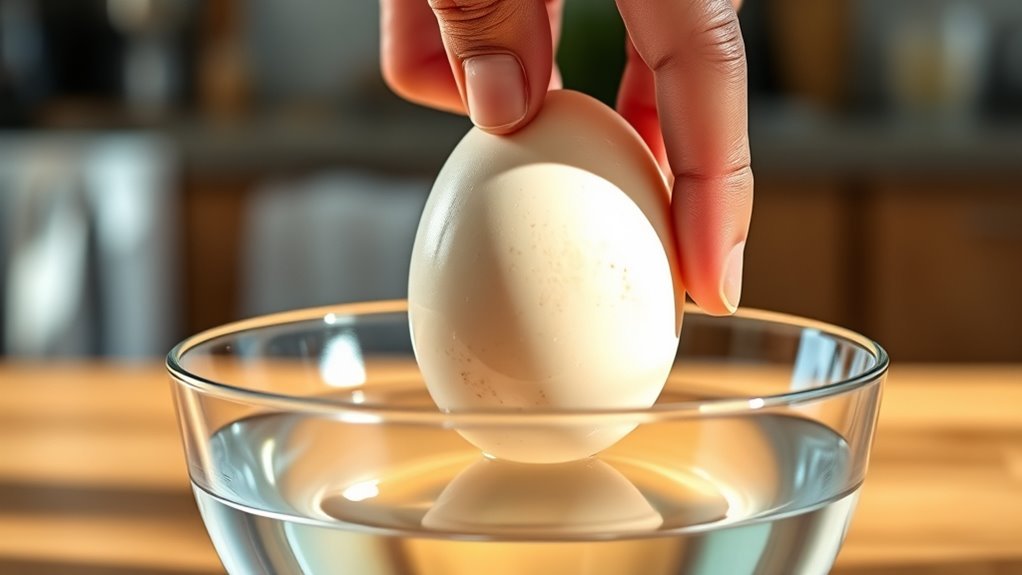
First, try the float test: if the egg sinks and lies flat, it’s fresh. But if it tilts or floats, it’s older or possibly spoiled.
Next, inspect the shell carefully for any cracks or dents that could let bacteria in.
You can also candle the egg by shining a flashlight through it in a dark room to check for signs of spoilage.
Keep exploring to uncover more ways to spot a bad duck egg.
Key Takeaways
- Perform a float test: fresh duck eggs sink and lie flat, while bad eggs float or stand upright due to enlarged air sacs. It’s a simple way to check if your egg is still good.
- Inspect the shell for cracks, dents, or damage that can allow bacteria to enter and spoil the egg. A damaged shell usually means the egg isn’t safe to eat.
- Crack the egg open and check for foul odors, discoloration, or unusual textures indicating spoilage. If it smells off or looks strange, toss it out.
- Use candling by shining a light through the egg; clear content suggests freshness, while dark spots or veins indicate spoilage. This method helps you see inside without cracking the egg.
- Combine float test and candling for a more accurate assessment to avoid consuming spoiled duck eggs. Using both methods together gives you extra confidence about the egg’s freshness.
How To Tell If a Duck Egg Is Bad
Although duck eggs can last a while, you should check for signs of spoilage before using them. One simple method is the float test: place the egg in water and observe its position.
If it sinks and lies flat, it’s fresh. If it tilts or stands upright, the air sac inside has grown larger, indicating the egg is older but not necessarily bad. Eggs floating at the surface, especially from the big end where the air sac is largest, are usually too old and should be examined more closely.
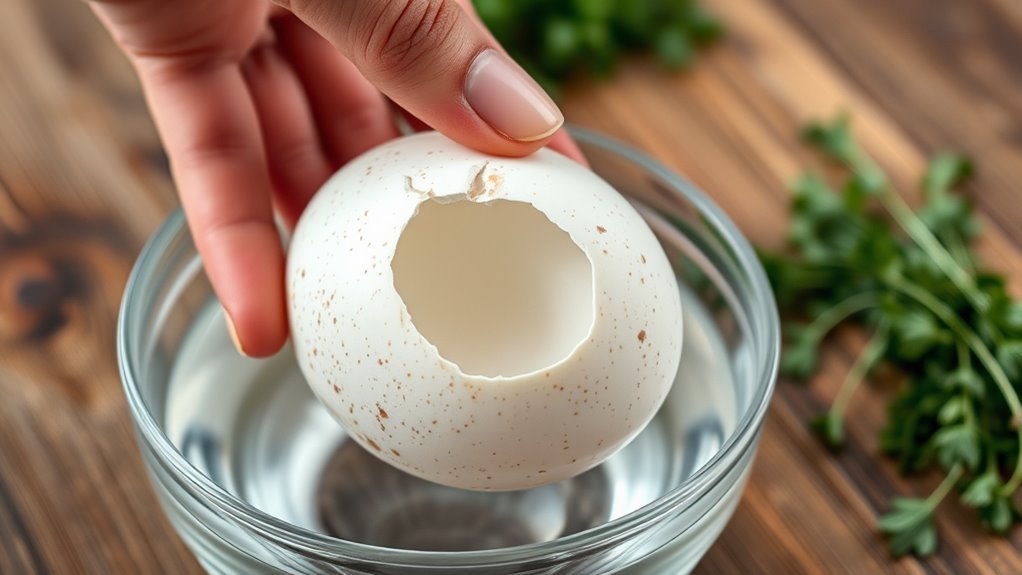
Also, inspect the shell for cracks or dents, as these can allow bacteria inside. Finally, when you crack the egg, watch for foul odors or unusual textures—these are clear signs the egg is no longer safe to eat.
Confirming Bad Eggs With Candling And Float Tests
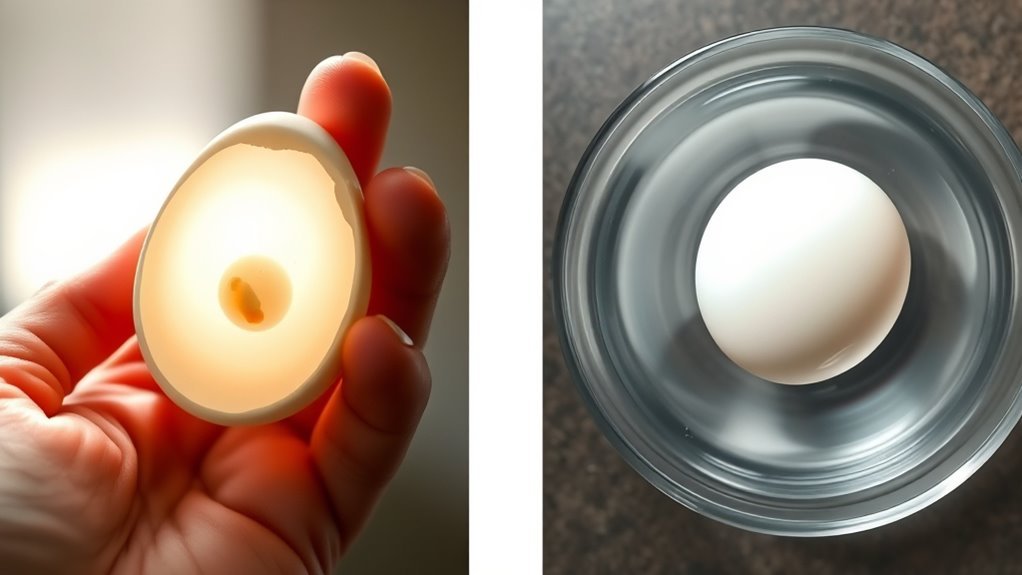
When you want to accurately determine if a duck egg is bad, combining candling with the float test gives you the best results. First, candle the duck eggs by shining a flashlight through them in a dark room.
If you don’t see anything like veins, embryo movement, or signs of internal development, the egg might be dead or bad. Next, perform the float test by gently placing the egg in water.
If the egg floats upright or fully floats, it’s likely too old or bad. An egg that sinks or floats at an angle may still be viable.
Frequently Asked Questions
How Do You Know if Duck Eggs Are Gone Off?
You know duck eggs are gone off if they smell foul when cracked, have discolored or runny whites and yolks, float in water, feel unusually light, or show cracks or dents on the shell indicating spoilage.
What Can Happen if You Eat a Bad Duck Egg?
If you eat a bad duck egg, you’ll get a delightful mix of nausea, vomiting, and diarrhea—your stomach’s way of throwing a wild party you definitely didn’t invite. Trust me, you don’t want that kind of excitement.
What Does a Spoiled Duck Egg Look Like?
A spoiled duck egg has a cracked or slimy shell and may look discolored. Inside, the egg white and yolk appear cloudy or runny, sometimes with greenish or pinkish hues, and it often smells foul when cracked open.
How Can You Tell if a Duck Egg Is Still Good to Eat?
Like a detective, you’ll know a duck egg’s good if it sinks in water, has clear whites, no smell, and an intact shell. Trust these signs, and you won’t crack open any unpleasant surprises.
Conclusion
Don’t worry if you’re unsure whether that duck egg is still good—you can easily check it yourself. Imagine holding the egg gently and watching it float in water; if it sinks and lays flat, it’s fresh.
Candling it reveals the inside without cracking it open. Trust these simple tests to avoid unpleasant surprises.
By knowing how to tell if a duck egg is bad, you can enjoy your eggs confidently every time. These quick checks help ensure your duck eggs are safe and fresh. So next time you’re in doubt, just remember these easy methods to keep your meals delicious and worry-free!