7 Facts About How Many Carbs Are in Egg Roll Wrappers
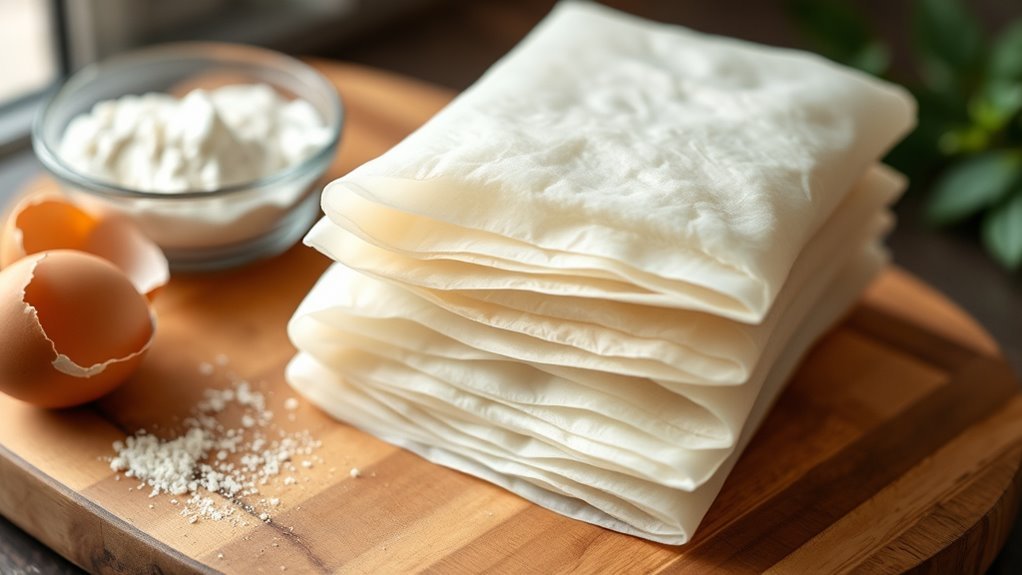
You might not realize egg roll wrappers typically pack about 16 grams of carbs per serving, mainly from wheat flour and cornstarch. These carbs come from the basic ingredients that give the wrappers their chewy texture and structure.
Traditional wrappers contain more carbs, but low-carb alternatives using egg whites or almond flour cut that down to 2-4 grams. It’s a great option if you’re watching your carb intake or following a keto diet.
To manage your carb intake, watch out for sugary sauces and choose keto-friendly fillings.
Proper storage keeps wrappers fresh and their carb content stable.
Keep going, and you’ll discover smart ways to enjoy egg rolls without the carb overload. They can still be part of a tasty, low-carb meal if you make the right choices!
Key Takeaways
- Traditional egg roll wrappers contain about 16 grams of carbs per 1-ounce serving. These carbs mainly come from enriched wheat flour.
- Cornstarch is also used in some wrappers, and it adds roughly 80-90 grams of carbs per 100 grams. This can increase the total carbohydrate content quite a bit.
- Low-carb egg roll wrappers are a great option if you want fewer carbs. They typically have just 2-4 grams of net carbs per serving.
- Keep in mind, hidden carbs often come from sauces and fillings. So, choosing low-carb options for those helps you manage your total carb intake better.
- To keep your wrappers fresh, store them in airtight containers. Freezing them can also preserve quality and carb integrity for up to six months.
What’s in Egg Roll Wrappers and Why Carbs Matter
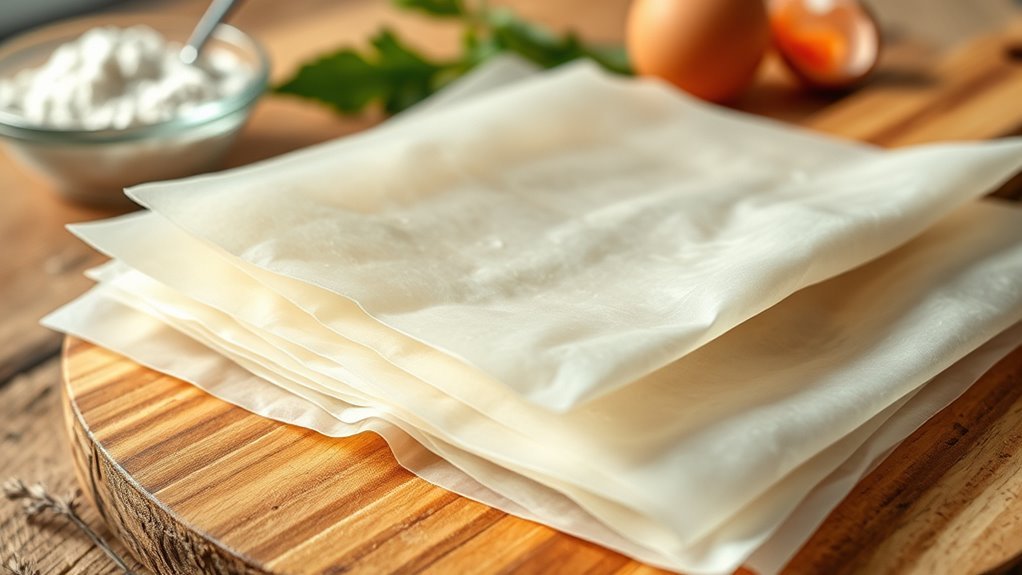
Although egg roll wrappers might seem like a simple ingredient, their carbohydrate content plays a crucial role in your diet, especially if you’re watching your carb intake. Traditional wrappers, made from wheat flour, pack around 16 grams of carbohydrates per 1-ounce serving, with net carbs close to that range.
If you’re following a low-carb plan, these carbs can add up quickly and affect your goals. Luckily, low-carb alternatives exist, often crafted from ingredients like egg whites and xanthan gum, slashing net carbs to 2 grams or less.
Choosing these options or making your own wrappers helps you enjoy egg rolls without compromising your carb limits. Understanding the carbs in wrappers lets you make smarter choices that fit your dietary needs.
How Cornstarch and Wheat Flour Affect Wrapper Carbs
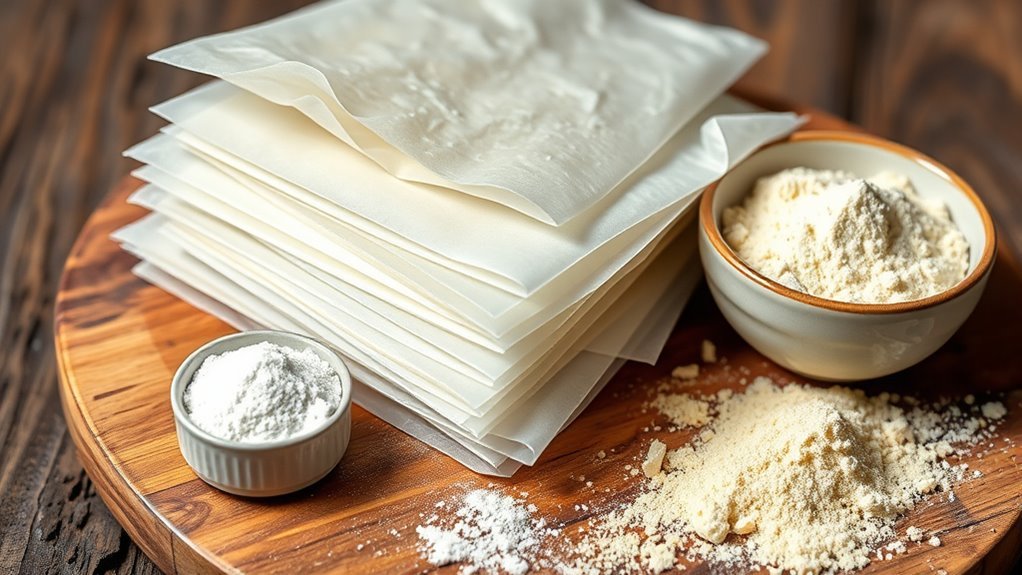
You’ll find that wheat flour, the main ingredient in most egg roll wrappers, adds a significant amount of carbs—about 70-75 grams per 100 grams.
Cornstarch, often used as a dusting, also contributes extra carbs that can add up quickly.
Understanding how both affect the total carbohydrate content helps you make better choices, especially if you’re watching your carb intake.
Cornstarch Carb Contribution
How much do cornstarch and wheat flour add to the carb count in egg roll wrappers? Cornstarch plays a significant role in the carbohydrate content of egg roll wrappers. Since cornstarch is almost pure carbohydrate, just one tablespoon adds about 8 grams of carbs.
This makes it a dense source of carbohydrates compared to other ingredients. When manufacturers use cornstarch in the dough, it boosts the total carb count noticeably. In egg roll wrappers, cornstarch combines with wheat flour to create a thin, flexible texture, but it’s cornstarch that primarily drives up the carbohydrate content.
If you’re keeping an eye on carbs, especially for keto or low-carb diets, understanding cornstarch’s contribution helps you make smarter choices about which wrappers to use. So, next time you’re picking out egg roll wrappers, remember to check the ingredients and carb counts carefully!
Wheat Flour Carb Impact
Wondering why egg roll wrappers pack so many carbs? Wheat flour, a main ingredient, contributes about 70-80 grams of carbohydrates per 100 grams, significantly boosting the carbohydrate content.
When combined with cornstarch, which adds 80-90 grams of carbs per 100 grams, the total carb count of a wrapper jumps to 15-20 grams. This combo can be a challenge if you’re watching your carb intake.
Luckily, you can swap wheat flour and cornstarch with low-carb alternatives like almond or coconut flour to cut carbs dramatically.
| Ingredient | Carb Content (g/100g) |
|---|---|
| Wheat Flour | 70-80 |
| Cornstarch | 80-90 |
| Egg Roll Wrapper | 15-20 (per piece) |
| Almond Flour | Low-carb alternative |
| Coconut Flour | Low-carb alternative |
How Many Carbs Are in a Typical Egg Roll Wrapper?
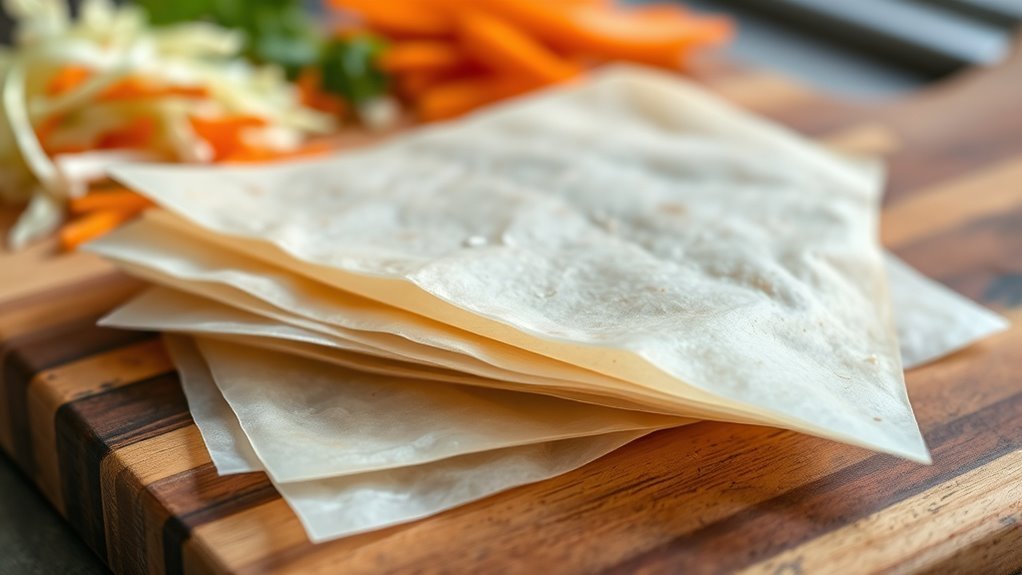
Although egg roll wrappers add a delicious crunch to your dish, they contain a notable amount of carbohydrates—about 16.4 grams per 1-ounce serving. When you look closer, the net carbs, which exclude dietary fiber, amount to around 15.9 grams.
This high carb content mostly comes from enriched wheat flour, the main ingredient in a typical egg roll wrapper. To give you a clearer idea:
- Total carbohydrates per wrapper: 16.4 grams
- Net carbs (excluding fiber): 15.9 grams
- Primary carb source: enriched wheat flour
- Higher carb count compared to many other wraps
Knowing these facts helps you manage your carb intake better, especially if you’re watching your net carbs in meals. So, keep this in mind next time you enjoy an egg roll!
Comparing Carb Counts: Traditional vs. Low-Carb Egg Roll Wrappers
When choosing egg roll wrappers, you’ll notice a significant difference in carb counts between traditional and low-carb options. Traditional wrappers usually contain about 16-17 grams of carbs per 1-ounce serving, primarily from wheat flour.
In contrast, low-carb wrappers are designed with a much lower carb content, often 4 grams or less per serving. These low-carb versions frequently use alternative ingredients like egg whites, almond flour, or soy. Some soy-based wrappers even offer as little as 2 grams of net carbs.
Tips for Choosing Keto-Friendly Egg Roll Wrappers
If you want to stick to a keto diet, choosing the right egg roll wrappers is essential. You need to focus on keto-friendly options that keep your carb intake low.
Here’s how to pick the best wrappers:
- Look for wrappers labeled keto or low-carb, with 4 grams or fewer net carbs per serving.
- Check the ingredient list for low-carb elements like egg whites, xanthan gum, or soy-based alternatives.
- Choose premade wrappers marketed specifically as keto-friendly. You’ll often find these in health food or specialty stores.
- Avoid traditional wheat or flour wrappers, which usually have 15-20 grams of carbs. Those are definitely not suitable for keto.
Following these tips helps you enjoy egg rolls without breaking your keto goals.
How to Lower Carb Intake With Egg Roll Wrappers
You can lower your carb intake by choosing low-carb egg roll wrappers made with ingredients like egg whites and xanthan gum. Using smart wrapping techniques helps you control portion size and reduce extra carbs.
Pairing these wraps with keto-friendly fillings like ground pork and vegetables keeps your meal flavorful and low in carbs. It’s an easy way to enjoy your favorite dishes without the carb overload.
Choosing Low-Carb Wraps
How can you enjoy egg rolls without blowing your low-carb goals? Choosing the right egg roll wrappers is key to lowering your carbohydrate content.
Here’s how to pick low-carb options:
- Look for wrappers made with egg whites and xanthan gum—they can have as few as 2 grams of net carbs.
- Avoid traditional wrappers with wheat flour or refined grains; they usually contain 16-20 grams of carbs each.
- Try soy-based or vegetable-based wraps, which often have 4 grams of carbs or less per piece.
- Consider making homemade egg roll wrappers using keto-friendly ingredients to control carb levels precisely.
Wrapping Techniques To Reduce
When aiming to reduce carb intake with egg roll wrappers, selecting alternative wrapping techniques makes a significant difference. You can swap traditional wheat-based wrappers for low-carb wrappers like soy-based sheets or cabbage leaves, which drastically cut carbohydrates.
Pre-cooking and draining fillings reduces moisture, letting you use thinner or less wrapper, aiding carbohydrate reduction. Baking your egg rolls instead of frying avoids adding extra crust or batter, keeping carbs low.
Additionally, cutting small pieces of low-carb wrappers or alternative sheets into crispy toppings adds texture without extra net carbs. By combining these alternative wrapping techniques, you manage your carb intake effectively while still enjoying delicious egg rolls.
It makes it easier to stick to low-carb or keto-friendly diets.
Pairing With Keto Fillings
Selecting the right fillings plays a big role in keeping your egg rolls keto-friendly and low in carbs. By choosing low-carb ingredients, you can enjoy delicious egg rolls without overloading on net carbs.
Here’s how to pair your wrappers effectively:
- Use protein-rich fillings like ground pork, shrimp, or chicken to boost satiety while maintaining low net carbs.
- Incorporate plenty of non-starchy vegetables and spices for flavor without added carbs.
- Opt for egg roll wrappers with 2 grams of net carbs per serving or make your own with keto-friendly low-carb ingredients.
- Skip sweet sauces and sugary condiments to avoid hidden carbs that can spike your total intake.
Pairing this way keeps your egg rolls both tasty and perfectly aligned with your keto goals.
How to Store Egg Roll Wrappers to Preserve Low-Carb Benefits
To keep your egg roll wrappers fresh and maintain their low-carb benefits, you’ll want to store them properly right after purchase or preparation. For short-term storage, place the wrappers in an airtight container in the refrigerator. Make sure it’s sealed tight to prevent air exposure that can dry them out and affect their texture.
This method supports low-carb preservation for up to three days. If you need to store them longer, wrap the wrappers tightly in plastic or foil. Then, pop them inside a freezer-safe bag and freeze for up to six months.
When you’re ready to use them, thaw the wrappers in the refrigerator or at room temperature. This helps keep their pliability and low-carb integrity. Just avoid leaving wrappers out at room temperature too long to prevent spoilage and keep their low net carb content intact.
Frequently Asked Questions
Do Egg Roll Wrappers Have a Lot of Carbs?
Yes, egg roll wrappers usually have a lot of carbs, which might not fit your low-carb diet. You can find lower-carb alternatives, though, so you don’t have to give up enjoying egg rolls completely.
Can You Eat Egg Roll Wrappers on Keto?
You can’t casually consume classic carb-heavy egg roll wrappers on keto. Instead, craft clever, low-carb creations using cauliflower, cheese, or almond flour to keep your ketosis kicking while still savoring savory, satisfying snacks.
Can Diabetics Eat Egg Roll Wrappers?
Yes, you can eat egg roll wrappers if you choose low-carb options. Always check nutrition labels and consider homemade or specialty low-carb wrappers to keep your blood sugar stable while enjoying your favorite dishes.
How Many Carbs Are in 2 Eggrolls?
Two egg rolls usually contain around 30 to 35 grams of carbs, depending on the wrapper and filling. You’ll want to check the nutrition label or recipe to get an accurate count for your specific egg rolls.
Conclusion
Think of egg roll wrappers like a canvas—you hold the brush to paint your carb story. By understanding their flour and cornstarch makeup, you’re not just rolling up flavors; you’re shaping your health journey.
Choosing low-carb options or storing them right is like tending a garden, nurturing your goals with every meal. So, grab those wrappers wisely and craft each bite as a step toward the vibrant, energized you you want to be.
When it comes to carbs in egg roll wrappers, knowing what you’re working with can make all the difference. Whether you’re watching your carb intake or just curious, picking the right wrapper and keeping it fresh supports your health goals. Every choice counts in your carb-conscious lifestyle, so be mindful and enjoy every delicious bite!