What Happens If the Egg Is Not Fertilized in the Body?
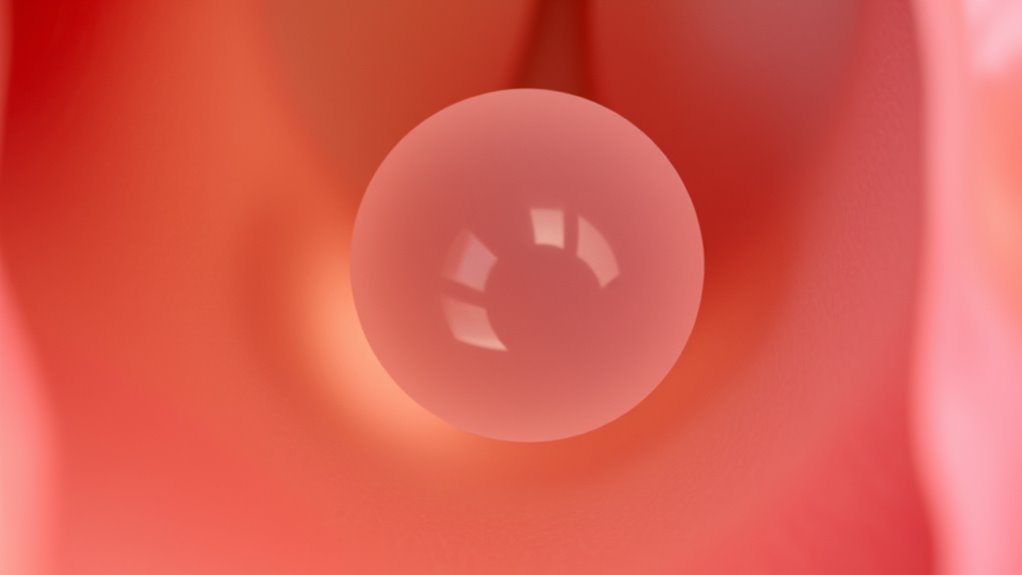
If your egg isn’t fertilized, your body quickly breaks it down and reabsorbs it to prevent buildup. Without fertilization, hormone levels drop, causing the thickened uterine lining to break down and shed as menstrual bleeding.
This bleeding usually lasts 3 to 7 days and signals the end of one cycle while your body resets hormones to prepare for the next ovulation.
Think of it like your body hitting the reset button. The whole process keeps your reproductive system on track and ready for the next chance at pregnancy.
Understanding what happens when the egg isn’t fertilized can help you better grasp how your cycle works and why these changes happen every month. It’s all part of how your body stays balanced and healthy.
Key Takeaways
- The unfertilized egg degenerates and is reabsorbed by the body soon after ovulation. Hormone levels, especially progesterone and estrogen, sharply decline. This drop signals the uterine lining to break down.
- The thickened uterine lining sheds, causing menstrual bleeding that typically lasts 3 to 7 days. Menstruation marks the end of the current cycle and gets the uterus ready for a new one.
- When hormone levels fall, the brain gets the message and starts releasing new hormones. This kicks off the next menstrual cycle and leads to ovulation again.
What Happens to the Unfertilized Egg and Uterine Lining?
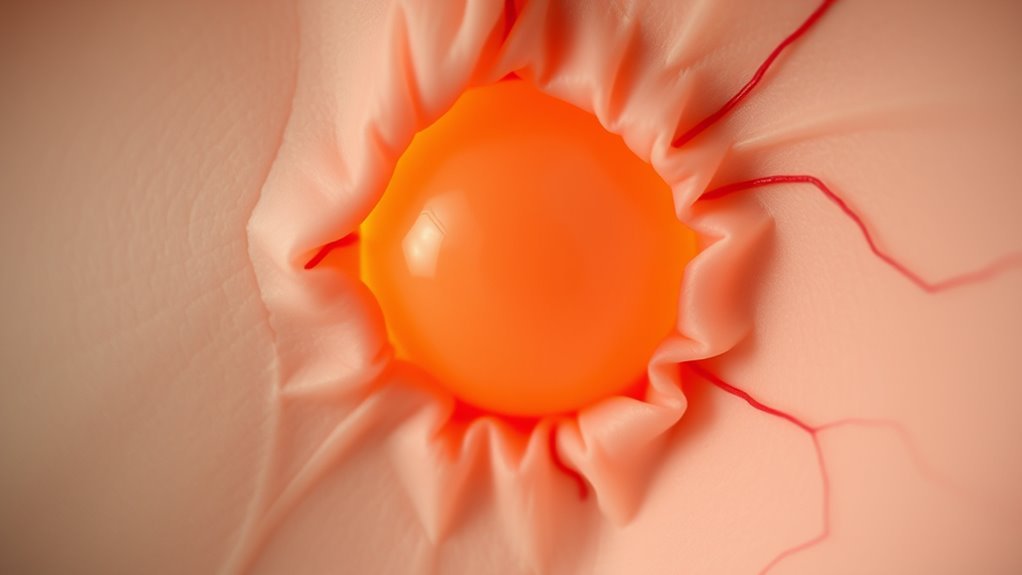
When the egg isn’t fertilized, your body quickly breaks it down and reabsorbs it. The unfertilized egg degenerates soon after ovulation and is reabsorbed, so it doesn’t linger.
Meanwhile, the uterine lining, which thickened to support a potential pregnancy, starts to break down. Without the hormonal signals that maintain it, this lining can no longer stay intact and begins shedding.
This shedding leads to menstrual bleeding, marking the end of the current cycle. The breakdown and shedding of the uterine lining usually last between three to seven days.
This natural process helps your body reset, preparing the uterus for a new cycle and the chance of fertilization again. Understanding this cycle clarifies what’s happening inside you each month.
How Do Hormonal Changes After an Unfertilized Egg Cause Menstruation?
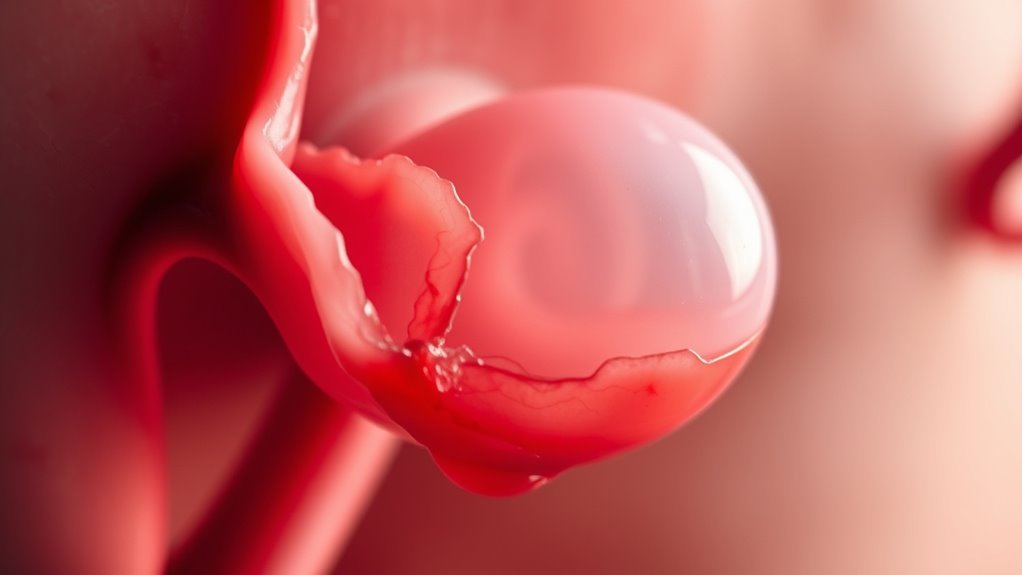
Because hormone levels drop sharply after an egg isn’t fertilized, your body signals the uterine lining to break down. This hormonal decline involves a decrease in progesterone and estrogen, which had prepared the uterine lining for potential pregnancy.
When progesterone falls, the endometrial tissue can no longer be maintained, causing it to disintegrate. The drop in estrogen further accelerates this breakdown, leading to menstrual bleeding.
These hormonal changes don’t happen instantly; they unfold over several days, marking the start of menstruation. As hormone levels continue to decline, your hypothalamus and pituitary gland respond by initiating a new cycle.
They release hormones that stimulate ovulation, preparing your body for the possibility of fertilization in the next cycle. So basically, your body is already gearing up for round two!
Frequently Asked Questions
What Happens in the Female Body if an Egg Is Not Fertilized?
If your egg isn’t fertilized, your hormone levels drop, causing the uterine lining to shed. You’ll experience menstruation as your body expels this lining, starting a new cycle without any other symptoms.
How Long Can an Egg Survive if It’s Not Fertilized?
Think of the egg as a fleeting candle—it can survive about 12 to 24 hours after ovulation. If you don’t fertilize it within this short window, it quickly fades away, ending its chance to create life.
Where Does Sperm Go if It Doesn’t Fertilize an Egg?
If sperm doesn’t fertilize an egg, your body breaks it down and absorbs it within the reproductive tract. It doesn’t travel elsewhere; instead, it’s cleared naturally through vaginal discharge and uterine cleaning processes.
What Are the Symptoms of an Egg Not Fertilized?
Symptoms of an unfertilized egg hit like a fading sunset—menstruation starts with cramping, bleeding, and mood swings. You’ll notice breast tenderness or fatigue, but mostly, your body just signals it’s time to reset the cycle.
Conclusion
If the egg isn’t fertilized, your body knows it’s time to reset. Like the saying goes, “What goes up must come down.” The unfertilized egg and thickened uterine lining break down and shed, leading to menstruation.
This natural cycle clears the way for a fresh start each month, driven by shifting hormones. So, while it might feel inconvenient, your body is simply preparing for a new opportunity to nurture life.
In short, when the egg is not fertilized in the body, menstruation happens as a natural process to remove the old lining and make room for a new cycle. This hormonal rhythm ensures your reproductive system stays healthy and ready for pregnancy. Understanding what happens if the egg is not fertilized helps you appreciate your body’s incredible way of resetting itself month after month. It’s all part of your body’s amazing ability to prepare for creating new life, even when fertilization doesn’t occur.