Why Is Peter Pan Played by a Woman?
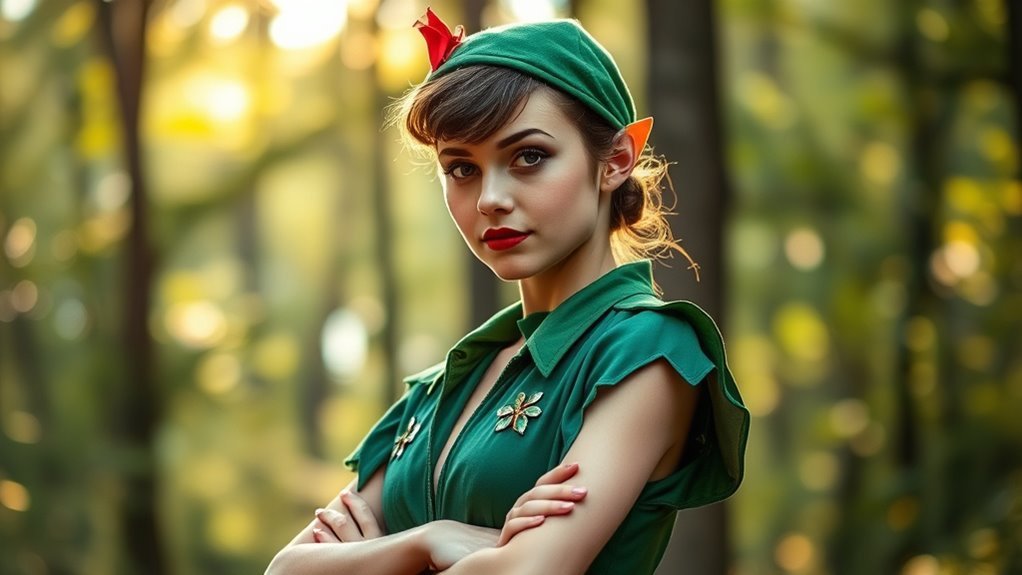
You’ll notice Peter Pan is often played by a woman because it blends tradition, practicality, and the character’s timeless innocence perfectly. This casting choice has become a staple in theater, creating a unique connection between the actor and the youthful spirit of Peter Pan.
Female actors handle the physical demands of flying scenes well and bring out Peter’s youthful energy and whimsy. Their portrayals highlight the character’s playful spirit and blur gender lines, adding mystique.
This casting choice keeps Peter Pan’s magic alive and timeless—and there’s plenty more to discover about why this tradition endures. It’s all about capturing the essence of Peter in a way that feels fresh and enchanting every time.
Key Takeaways
– Early theatrical traditions favored women playing Peter Pan due to societal norms and easier legal acceptance of female actors in male roles.
Plus, female actors’ physicality and costume practicality make flying scenes and stage magic more manageable and convincing.
– The character’s androgynous, youthful qualities align well with female portrayals, enhancing innocence and playfulness.
Casting women blurs gender lines, adding mystique and emphasizing Peter Pan’s timeless, magical nature.
– Female performances deepen audience connection by highlighting youthful energy, wonder, and the character’s eternal spirit.
Why Is Peter Pan Traditionally Played By Women?

Why have women traditionally taken on the role of Peter Pan? Female actors have long embodied this character due to a mix of societal norms and theatrical history.
Early 20th-century gender roles made it legally and socially easier for women to pass as boys on stage. This theatrical tradition also embraced the role’s gender ambiguity, highlighting Peter’s youthful appearance and innocence.
Costume practicality played a big part, too—women could manage the physical demands and stage magic, like flying scenes, more effectively. The androgynous qualities of Peter Pan fit well with evolving theatrical aesthetics, allowing female actors to capture the character’s whimsical spirit.
How Women Playing Peter Pan Bring Out His Magic And Innocence

Building on the tradition of women playing Peter Pan, their performances bring a unique energy that highlights the character’s magic and innocence. Female actors bring youthful energy and an androgynous portrayal that perfectly captures Peter’s playful innocence.
This gender fluidity blurs lines, emphasizing his timelessness and mystique. Their ability to pass as boys allows you to experience the wonder and purity central to Peter’s charm.
Consider how:
- Female actors embody eternal youth and innocence
- Androgynous portrayals deepen Peter’s mystique
- Their performances emphasize magic and wonder
- Playful innocence amplifies emotional connection
- Gender fluidity strengthens the timeless nature
You’ll find women bring out Peter Pan’s enchanting spirit like no one else can.
Frequently Asked Questions
What Is the Dark Theory About Peter Pan?
The dark theory says Peter Pan hides a fear of growing up and facing reality. You see him as escaping adulthood, avoiding responsibility, and masking deep childhood trauma, showing psychological denial rather than just innocent eternal youth.
Did Peter and Wendy Kiss?
No, Peter and Wendy don’t kiss in the original story. Some modern versions add a kiss to show romance, but it’s mostly up to the director’s choice. You can decide what their relationship means to you.
Why Are the Lost Boys Only Boys?
The Lost Boys are only boys because you’re meant to see childhood innocence and male camaraderie in Neverland. Their all-male group highlights boyhood adventures and the absence of adult authority, keeping the story’s focus pure and simple.
What Is a Female Peter Pan Called?
You won’t find a special name for a female Peter Pan; she’s simply called an actress playing Peter Pan. It’s a coincidence that this lack of label highlights the role’s timeless, gender-bending charm you’ll appreciate.
Conclusion
Isn’t it ironic that the boy who never grows up is usually played by a woman? You might expect a young actor to bring Peter Pan to life, but it’s actually women who capture his eternal youth and charm best.
Their voices and movements highlight his magic and innocence in ways men often can’t. Women can bring a unique energy that really makes Peter Pan feel timeless and enchanting.
So next time you see Peter Pan on stage, remember—it’s not a boy, but a woman keeping the magic alive. This tradition helps keep the character’s spirit fresh and believable, blending youthful wonder with a performance style that truly shines. That’s why Peter Pan is often played by a woman—it’s all about capturing the heart of the story and making the magic unforgettable.