

What Makes Water Smell Like Rotten Eggs?
You’re smelling rotten eggs in your water because of bacteria called sulfate-reducing sulfur bacteria. These bacteria produce hydrogen sulfide gas, which gives off that strong, unpleasant odor you notice.
They love low-oxygen, warm environments like wells and water heaters, where they can easily thrive. You might also see black stains or pipe corrosion, which are signs of this bacterial activity.
If you want to know how to identify and effectively remove this smell from your water, there are simple testing and treatment options you can explore.
Don’t worry—it’s easier to fix than you might think!
Key Takeaways
- Rotten egg smell in water is caused by hydrogen sulfide gas produced by sulfate-reducing bacteria. These bacteria thrive in low-oxygen, warm environments like wells and water heaters.
- Hydrogen sulfide gas creates the distinct rotten egg odor in both hot and cold water. It’s pretty noticeable once it’s there.
- Bacterial activity can also cause black stains and corrosion in plumbing systems. That’s definitely not something you want happening to your pipes.
- Stagnant water and lack of maintenance promote bacterial growth and odor formation. So, keeping things clean and flowing helps prevent that smell from showing up.
What Causes Water to Smell Like Rotten Eggs?
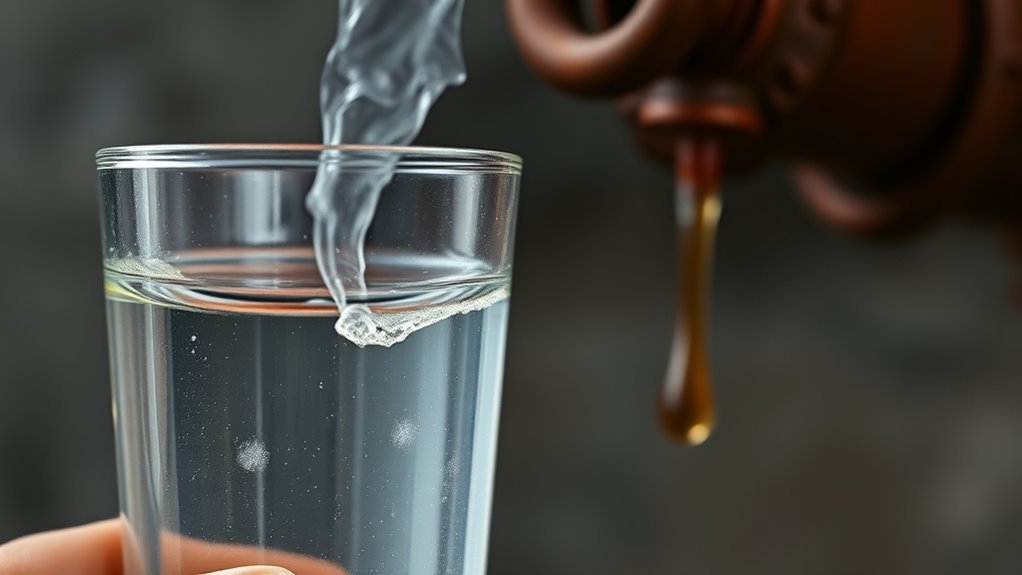
Although it might seem strange, the rotten egg smell in your water comes from hydrogen sulfide gas produced by bacteria living in your well or plumbing. Specifically, sulfate-reducing bacteria, a type of sulfur bacteria, thrive in low-oxygen, warm environments like your well water or water heater.
The rotten egg smell in water is caused by hydrogen sulfide gas from bacteria in wells or plumbing.
These bacteria convert sulfur compounds found in organic matter and minerals into hydrogen sulfide, which you recognize by that distinct rotten egg smell. This gas can build up in your plumbing system, especially if water sits stagnant or maintenance is lacking.
You might notice black stains or corroded pipes, which are signs of bacterial activity. To understand the extent of the problem, a water test can detect hydrogen sulfide levels.
Depending on the results, water filtration systems may help reduce or remove the odor and improve your water quality.
How to Identify and Get Rid of Rotten Egg Smells in Your Water
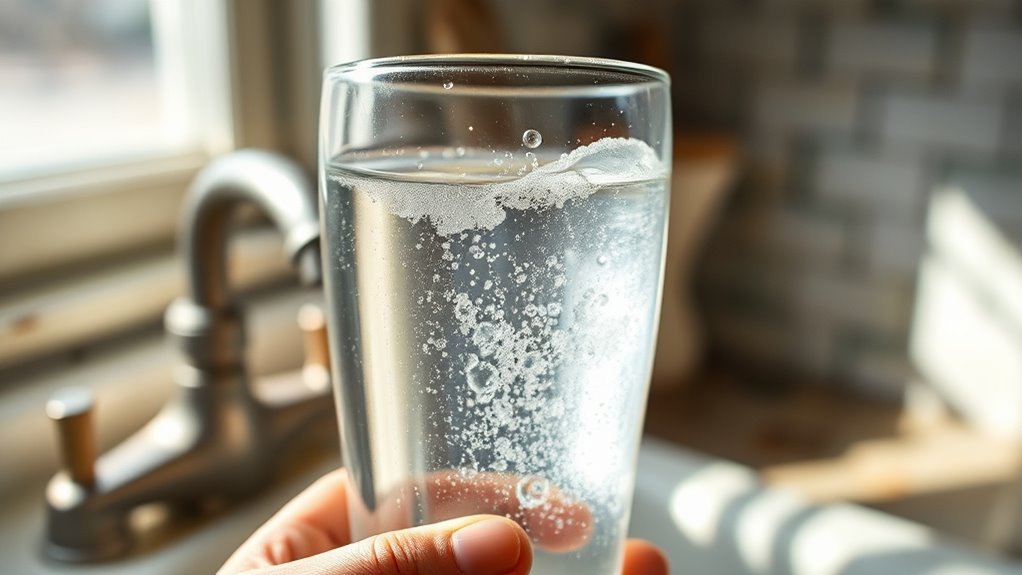
To identify and eliminate the rotten egg smell in your water, start by pinpointing where the odor originates. Check if the smell appears in hot water, cold water, or both.
If it’s only in hot water, your water heater may be producing hydrogen sulfide gas due to bacterial activity. But if it’s in both, sulfur bacteria in the water supply could be the culprit.
Take a look at your plumbing fixtures too. Black stains can be a sign of hydrogen sulfide presence.
Next, try testing your water to measure hydrogen sulfide levels and confirm if bacteria are causing the smell.
For treatment, you might want to disinfect your well and plumbing. Installing a water filtration system with activated carbon or using aeration systems can also do the trick.
These steps will help remove that rotten egg smell and make your water smell fresh and taste safe.
Frequently Asked Questions
How Do You Fix Water That Smells Like Rotten Eggs?
You can fix that rotten egg smell by disinfecting your water heater, shock chlorinating your well, or installing aeration or carbon filters. Regular testing and maintenance help keep sulfur bacteria from coming back.
Is It Safe to Shower in Water That Smells Like Sulfur?
Yes, you can safely shower in water that smells like sulfur if the odor is mild. But if the smell is strong or irritates your eyes or throat, you should treat the water or seek professional help.
Is Rotten Egg Smelling Water Harmful?
About 90% of people notice rotten egg water smell at very low hydrogen sulfide levels, which aren’t harmful. You can safely shower, but if symptoms appear, consider testing and treating your water to guarantee safety and comfort.
Should I Call a Plumber if My Water Smells Like Rotten Eggs?
Yes, you should call a plumber if the rotten egg smell persists, appears in specific fixtures, or comes with stains and discoloration. They’ll inspect your plumbing and water quality to fix the issue safely and effectively.
Conclusion
Now that you know what’s behind that less-than-pleasant aroma in your water, you’re better equipped to tackle it head-on. Don’t let that “earthy bouquet” keep you from enjoying a revitalizing drink or a relaxing shower.
By identifying the cause and taking a few simple steps, you can turn your water’s personality around. Whether it’s the smell of rotten eggs or a sulfur-like scent, addressing the issue means you’ll no longer have to worry about unpleasant odors in your tap water.
Soon enough, you’ll be savoring clean, crisp water that smells as delightful as it tastes—no more unwelcome surprises! With a little effort, you can enjoy fresh, odor-free water every day, making your drinking and showering experience truly refreshing.