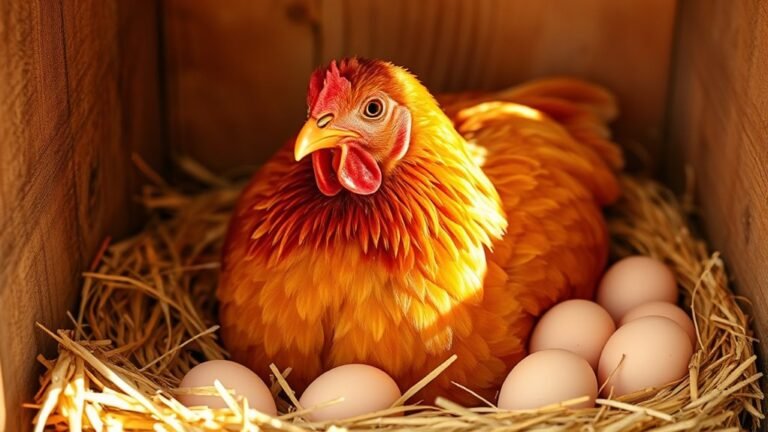
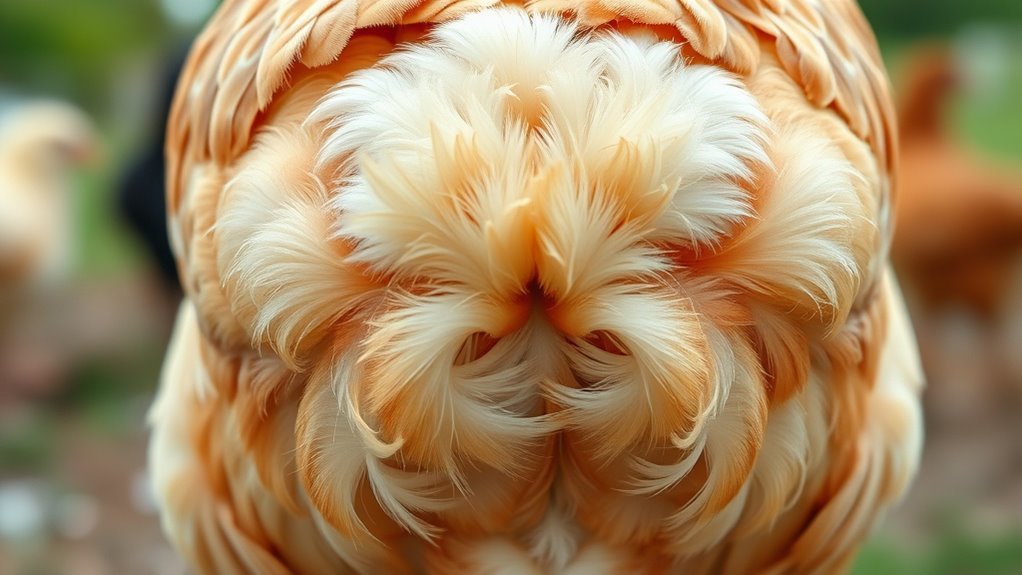
Where Do Eggs Come Out of Chickens’ Buttholes?
You might wonder if chicken eggs come out of their buttholes, but actually, they exit through the cloaca—a single opening for laying eggs and expelling waste. The cloaca is a fascinating part of a chicken’s anatomy that serves multiple purposes.
So, eggs don’t come straight out of the butthole like you might think!
Don’t worry, eggs don’t touch the waste because the cloaca everts, turning inside out during laying to keep eggs clean. This clever process helps make sure the eggs stay hygienic.
Plus, the eggshell and a natural coating protect each egg even more.
If you want to understand more about how this natural process keeps eggs clean and safe, there’s plenty to explore. It’s amazing how nature designed this system to keep eggs fresh and free from contamination!
Key Takeaways
- Eggs exit chickens through the cloaca, which is a single opening used for both egg laying and waste elimination.
- Inside, the cloaca keeps the reproductive and digestive tracts separate to stop the egg from getting contaminated.
- When a chicken lays an egg, the cloaca everts, meaning it turns inside out. This helps protect the egg from coming into contact with feces.
- The egg is already fully formed inside the reproductive tract before it safely passes through the cloaca.
- After the egg passes through, it gets a natural coating called the bloom. This coating seals and protects the egg.
How Chickens Lay Eggs Through the Cloaca
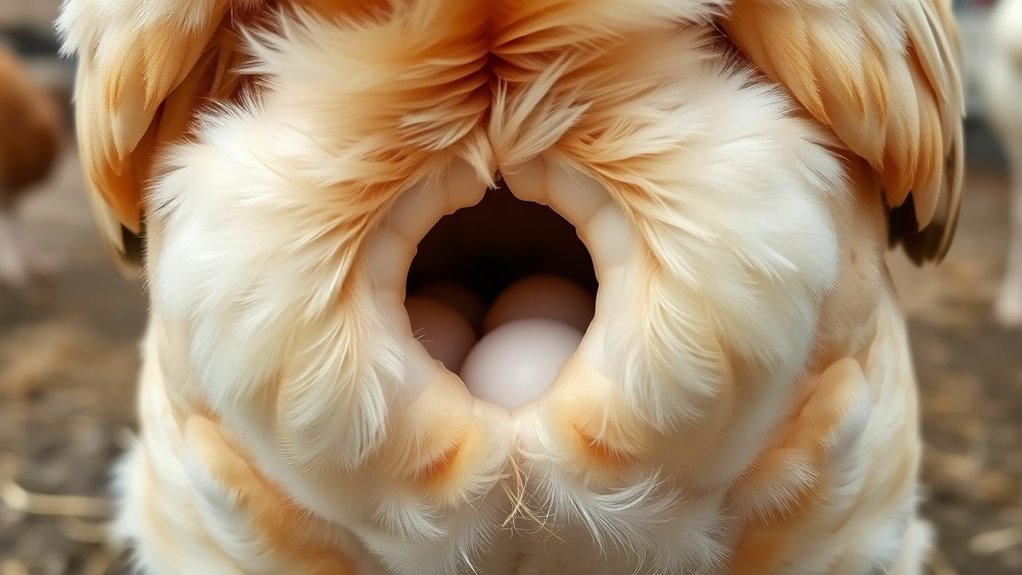
Although it might seem surprising, chickens lay eggs through their cloaca, a single opening that handles both eggs and waste. When you think about laying eggs, it’s important to know that the egg forms inside the hen’s reproductive tract, part of her internal system.
As the egg completes formation, it moves toward the cloaca, which serves as the outlet for eggs and waste. Despite sharing this one exit point with the anus, the cloaca separates the reproductive and digestive tracts internally, so eggs don’t mix with waste.
During laying, the cloaca everts, turning inside out to protect the egg from contact with fecal matter. This clever design guarantees chickens can lay eggs cleanly through the same opening they use to expel waste.
Why Eggs Laid Through the Cloaca Stay Clean
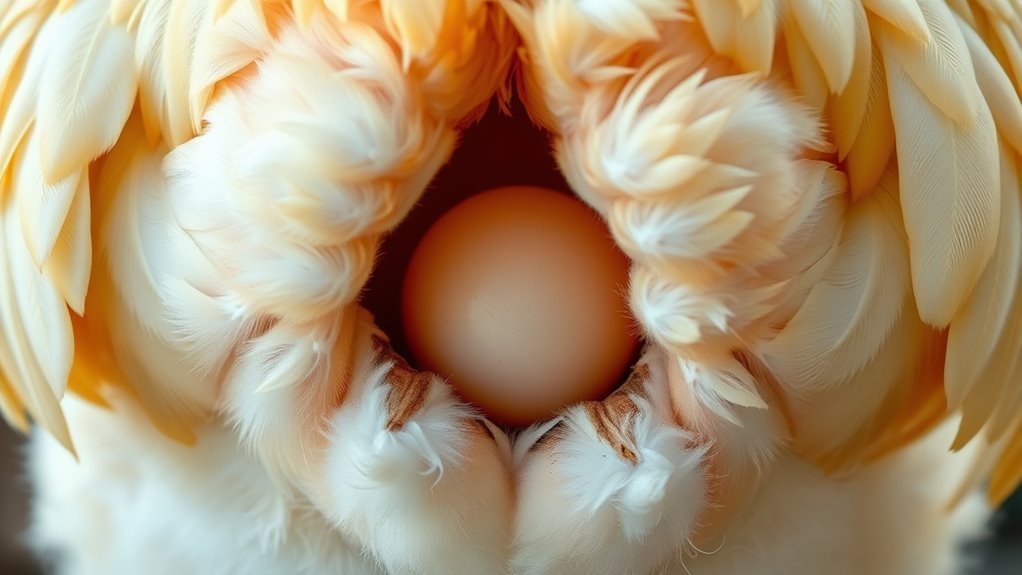
When a chicken lays an egg, the cloaca doesn’t just serve as a simple exit—it actively helps keep the egg clean. During laying, the cloaca inverts, turning inside out to prevent the egg from touching feces. This inversion ensures the egg’s shell forms while minimizing contamination.
Inside, the cloaca’s lining works with this process to reduce bacteria exposure. Once the shell is complete, a natural coating called the bloom seals the egg, protecting it from dirt and bacteria. This coating plays an essential role in maintaining egg hygiene.
Plus, keeping the coop and nesting boxes clean supports this natural defense. So, even though eggs come out through the cloaca, their shell, inversion, and coating work together to keep them clean and safe.
Frequently Asked Questions
Do Chickens Defecate and Lay Eggs Out of the Same Hole?
Yes, chickens do defecate and lay eggs through the same hole called the vent, but their bodies keep waste and eggs separate internally, so you won’t find feces on the eggs if the chicken and coop are clean.
Do Chicken Eggs Come Out of the Cloaca?
Yes, chicken eggs come out of the cloaca. You’ll find that it’s a single opening used for laying eggs, as well as expelling waste, but the egg and waste don’t mix inside because of internal separation.
How Do Birds Lay Eggs From Their Bum?
You lay eggs through the cloaca, which is a single opening for waste and eggs. During laying, the cloaca everts, keeping the egg separate from waste, so the egg safely exits without contamination.
Where Do Hens’ Eggs Come Out?
You’ll find hens’ eggs come out through the cloaca, a single opening used for laying eggs and waste. Notably, hens can lay about 250 eggs a year, all passing safely without mixing with waste.
Conclusion
Now you know that chickens lay eggs through their cloaca, a single opening that works like a well-organized doorway for both waste and eggs. Even though it might sound messy, the egg comes out clean, protected by natural membranes, like a pearl safely tucked in its shell.
So next time you crack an egg, remember how nature’s incredible design keeps it fresh and spotless, just for you. The cloaca may seem like a strange place for eggs to come out of, but it’s actually an amazing part of how chickens reproduce.
Understanding where eggs come out of chickens’ buttholes helps clear up some common confusion about egg-laying. It shows how the cloaca serves as a neat exit point for both waste and eggs without mixing them up. Nature really knows what it’s doing to keep eggs clean and safe for us to enjoy!