5 Best Plants for Under Leaking Hose Faucets in 2027
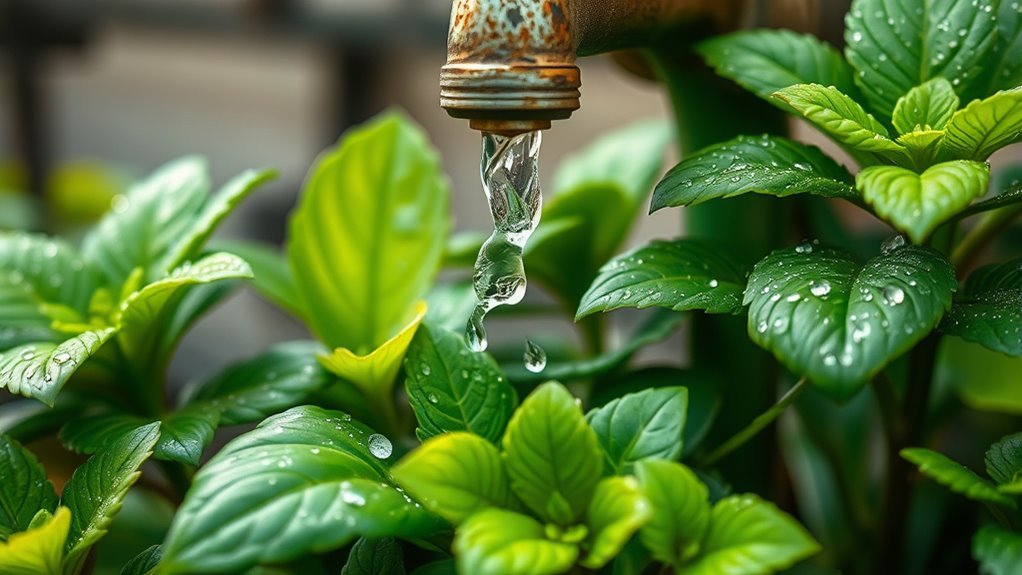
If you have a leaking hose faucet spot, choosing the best plants for under leaking hose faucets can make all the difference. These areas often stay wet, so it’s smart to pick plants that thrive in constant moisture, like ferns, mosses, and certain perennial grasses. You want plants that can handle soggy soil without getting stressed.
Look for shade-tolerant or sun-loving species depending on how much light your spot gets. Also, focus on plants with strong, adaptable root systems because they can manage the fluctuating wetness better.
Low-growing ground covers and waterlogging-resistant plants work great here, too.
By selecting varieties suited to these damp conditions, you’ll keep a healthy, resilient green space that looks good year-round. Keep exploring to uncover more tips on managing these tricky spots and making the most of your garden’s unique challenges.
75 FT Indoor Sink Hose Attachment for Faucet with 7 Adapters
If managing water flow indoors feels challenging, the 75 FT Indoor Sink Hose Attachment with 7 adapters offers a practical solution. It lets you extend your faucet’s reach without causing spills or messes, making everyday tasks simpler. This hose attachment is designed to work with most removable aerator faucets, giving you the flexibility to water plants, clean surfaces, or fill containers with ease.
Its 75-foot length ensures you can reach distant areas indoors without moving the faucet. The durable woven polyester outer layer combined with a latex inner tube and sturdy aluminum fittings helps prevent leaks. This design also makes the hose resistant to tangling, so you can store it neatly after use.
Maintenance is straightforward since the materials used resist wear and tear typical in indoor environments. The seven included adapters allow compatibility with various faucet types, expanding its usability. However, it is not suited for pull-down, waterfall, or shower-style faucets and is intended for indoor use only.
Best for: homeowners and renters needing a versatile, long-reach indoor hose attachment compatible with most removable aerator faucets for watering, cleaning, and filling tasks.
What We Like:
- Seven adapters for broad faucet compatibility
- Durable polyester and latex construction with aluminum fittings
- Long 75-foot reach for versatile indoor use
- Tangle-resistant design for easy storage
Specification:
| Feature | Details |
|---|---|
| Manufacturer | Not specified |
| Length | 75 feet (22.86 meters) |
| Material | Woven polyester, latex inner tube, aluminum fittings |
| Color Options | Not specified |
6pc 3/4 “Faucet to 1/2” Drip Irrigation Fitting Garden Hose Adapter
You need a reliable way to connect your garden faucet to drip irrigation tubing. The 6pc 3/4″ faucet to 1/2″ drip irrigation fitting offers a straightforward solution. It converts standard 3/4″ faucets to 1/2″ drip irrigation tubing quickly and securely.
Installation is simple and tool-free. Just screw the adapters onto your faucet, push the lock barbed tee into the tubing, and tighten the caps. This design ensures a leak-proof connection that holds up under pressure and heat, reducing maintenance worries.
This adapter set is ideal for gardeners expanding their drip irrigation system. Whether watering flower beds, potted plants, or greenhouse setups, it simplifies system upgrades. The durable materials prevent leaks and keep tubing firmly in place.
While the set includes six pieces, it is best suited for smaller irrigation projects using 1/2″ tubing. Users with limited hand strength might find screwing and pressing the fittings a bit challenging. Regular checks ensure connections stay tight and reliable.
Best for: Gardeners and homeowners looking to easily convert standard 3/4″ faucets to 1/2″ drip irrigation systems for reliable, leak-proof watering setups.
What We Like:
- Quick, tool-free installation
- Durable design for secure, leak-proof connections
- Versatile use for gardens, potted plants, and greenhouses
Specification:
| Feature | Details |
|---|---|
| Manufacturer | Not specified |
| Dimensions | 3/4″ faucet to 1/2″ tubing |
| Weight | Not specified |
| Material | Durable plastic |
| Color Options | Not specified |
Biswing 4-Way Brass Hose Splitter with Valves
The Biswing 4-Way Brass Hose Splitter with Valves transforms a single outdoor faucet into four independent watering points. This lets you manage multiple garden areas easily, giving precise control over each hose to avoid overwatering or dry spots. Its design helps simplify complex watering tasks for better garden care.
Crafted from heavy-duty brass, this splitter resists corrosion and stands up to outdoor conditions for reliable, long-lasting performance. Each valve uses a ball mechanism to ensure a tight seal, preventing leaks and drips that waste water and cause frustration. Maintenance is straightforward—periodic checks of O-rings and threads keep it functioning smoothly.
The splitter fits standard 3/4-inch garden hoses and includes O-rings and thread seal tape for a secure, leak-proof connection. Its compact size makes installation easy without cluttering your garden space. Note that it is not designed for potable water systems, so it should only be used for irrigation purposes.
This tool is ideal for gardeners managing various watering zones who want to improve efficiency. It offers durability and precise hose control but is not suited for very high-pressure or commercial irrigation setups.
Best for: Gardeners and homeowners managing multiple outdoor watering zones with a reliable, corrosion-resistant hose splitter.
What We Like:
- Durable heavy-duty brass construction resists corrosion
- Four individual valves for independent water control
- Ball valve design prevents leaks and drips
- Includes O-rings and thread tape for secure installation
- Compact and easy to install in tight garden spaces
Specification:
| Feature | Details |
|---|---|
| Manufacturer | Biswing |
| Dimensions | Compact, fits standard 3/4-inch hoses |
| Weight | Lightweight |
| Material | Heavy-duty brass |
| Color Options | Brass finish |
Taisia 75 ft Heavy Duty Garden Soaker Hose Kit
The Taisia 75 ft Heavy Duty Garden Soaker Hose Kit offers a practical solution for slow, steady watering directly at the roots. It helps prevent water waste by releasing moisture evenly through tiny pores. This ensures your plants receive consistent hydration without overwatering or runoff.
Constructed from recycled, anti-oxidation rubber, the hose withstands outdoor wear and resists cracking and leaks. Its durable design supports reliable use over time, even in varying weather conditions. The flexible hose can be laid on the surface or lightly buried to suit different garden setups.
Connecting to most standard hoses is simple thanks to its sturdy universal connectors. It operates efficiently under moderate water pressure, up to 60 psi, making it ideal for vegetable beds, lawns, and landscaping areas. Regular maintenance involves occasional flushing to prevent clogging and checking for any damage.
This soaker hose conserves water while delivering consistent moisture, reducing gardening effort and improving plant health. Its eco-friendly materials and thoughtful construction make it a dependable choice for sustainable garden irrigation.
Best for: gardeners and homeowners seeking an efficient, durable, and eco-conscious soaker hose for slow, uniform watering of small to medium outdoor areas.
What We Like:
- Made from recycled, anti-oxidation rubber for long-lasting durability
- Provides uniform water seepage to optimize plant hydration and conserve water
- Flexible and easy to connect with universal fittings for versatile garden layouts
Specification:
| Feature | Details |
|---|---|
| Manufacturer | Taisia |
| Length | 75 ft (22.86 m) |
| Material | Recycled anti-oxidation rubber |
| Maximum Pressure | 60 psi |
| Connector Type | Universal fittings |
| Suitable For | Vegetable beds, lawns, landscaping |
Garden Hose 5/8″ x 25ft Lightweight Durable
This lightweight, durable garden hose is designed to make watering easier and less tiring. At 5/8″ x 25ft, it offers flexibility and strength without the bulk of traditional hoses. Its premium TPE material resists tears and stays flexible, making it simple to maneuver around your garden.
The hose is safer for your health, as it contains no BPA or phthalates, unlike many PVC alternatives. Its 43% lighter weight reduces arm and wrist strain, allowing longer use without fatigue. The built-in swivel handle helps prevent kinks and twisting, ensuring smooth water flow.
Built to withstand pressures up to 150 PSI, this hose performs well in extreme temperatures from -22°F to 150°F. The anodized aluminum fittings create a secure, leak-proof connection, minimizing water waste and maintenance.
For upkeep, rinse the hose occasionally and store it in a shaded area to maintain its flexibility and durability. Its compact 25-foot length is ideal for small to medium gardens or balcony plants but may limit reach in larger spaces.
Best for: Gardeners and seniors seeking a flexible, easy-to-handle hose that offers convenience and safety for everyday watering tasks.
What We Like:
- Made from premium TPE for flexibility and tear resistance
- 43% lighter weight reduces user fatigue
- Swivel handle prevents twisting and kinks
- Handles high pressure and extreme temperatures
- Leak-proof anodized aluminum fittings
Specification:
| Feature | Details |
|---|---|
| Manufacturer | Not specified |
| Dimensions | 5/8 inch diameter x 25 ft length |
| Weight | Not specified |
| Material | Premium TPE |
| Color Options | Not specified |
Factors to Consider When Choosing Plants for Under Leaking Hose Faucet
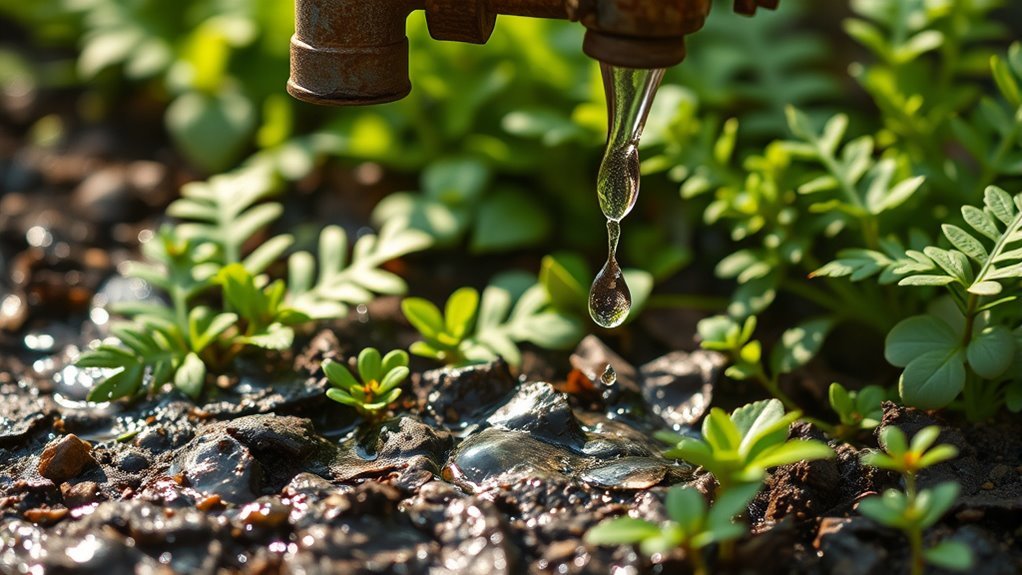
When choosing plants for under a leaking hose faucet, you’ll want to focus on soil moisture tolerance and how well they handle shade or sunlight. Consider their growth habits and whether they can resist waterlogging from constant drips.
Also, make sure their root systems are strong enough to thrive in these wet conditions. It’s all about picking plants that won’t mind getting a little extra water now and then.
Soil Moisture Tolerance
Because areas under leaking hose faucets stay constantly damp, you’ll want to choose plants that tolerate high soil moisture. These plants thrive in saturated soil without suffering from root rot or other moisture-related problems.
Look for species like ferns, mosses, and certain perennial grasses that naturally prefer wet environments. Picking plants adapted to frequent or constant watering means you won’t have to worry about supplemental irrigation, saving you time and effort.
It’s important to understand each plant’s specific moisture needs to guarantee it can handle the irregular or continuous water supply from a leaking faucet. By selecting moisture-tolerant plants, you’ll maintain healthy growth and create a resilient garden spot under your leaking hose faucet.
Shade Versus Sunlight
How much sunlight does the spot under your leaking hose faucet actually get? This is vital because plants that thrive in shade usually need less than four hours of direct sunlight daily.
If your spot gets six or more hours of sun, you’ll want sun-loving plants that can handle and flourish in full sunlight. Shade-tolerant plants often have larger, darker leaves to maximize photosynthesis in low-light conditions.
This helps them survive with limited sun. Choosing the right plant based on sunlight helps avoid leaf burn and scorch marks caused by too much sun.
Understanding these light requirements guarantees your plants grow healthy and vibrant despite the constant moisture from the leaking faucet. So, assess your spot’s light carefully before picking your plants.
Growth Habit Adaptability
Selecting plants with adaptable growth habits is crucial for thriving under a leaking hose faucet, where moisture levels can fluctuate unpredictably. You’ll want to choose low-growing or ground-cover plants to protect them from excess moisture damage.
Shrubs and perennials with flexible root systems handle these inconsistent watering patterns well, adjusting to both wet and dry spells. Succulents and drought-tolerant varieties also do great since they benefit from intermittent moisture without risking overwatering.
Plants with deep or fibrous roots access water more efficiently, making them resilient to uneven supply. By picking species with versatile growth habits, you’ll guarantee they fit smoothly into your landscape and adapt as moisture availability changes over time.
This way, your garden gets the best chance to flourish despite the challenges of a leaking faucet.
Waterlogging Resistance
While adaptable growth habits help plants handle fluctuating moisture, their ability to resist waterlogging plays a key role when dealing with a leaking hose faucet. You’ll want to choose plants with well-draining roots, like succulents or certain grasses, since they’re less affected by excess moisture.
Some species, such as ferns and reeds, tolerate periodic flooding, making them excellent options. Deep-rooted plants can access oxygen deeper in the soil, which helps them survive waterlogged conditions better.
To support these plants, improve soil drainage by adding sand or organic matter. Also, keep an eye on the soil moisture and adjust watering frequency to avoid prolonged saturation that leads to root rot.
These steps help you maintain healthy plants even under constant leaks. It’s all about giving your plants the right environment to thrive despite the extra water.
Root System Strength
Because a leaking hose faucet creates uneven moisture levels, plants with strong and adaptable root systems handle these fluctuations best. You’ll want to choose plants with deep or extensive roots that tap into moisture deeper in the soil. That way, they stay hydrated even if surface water varies.
Roots that spread both laterally and vertically help maximize water uptake in patchy wet zones caused by leaks. Vigorous, fibrous root systems also improve nutrient absorption and stabilize plants. This makes them more resilient to inconsistent watering.
Frequently Asked Questions
Can Leaking Water Harm Certain Plant Types in My Garden?
Yes, leaking water can harm plants by causing root rot or fungal issues.
You’ll want to choose water-tolerant or moisture-loving plants to handle extra moisture without damage. This helps prevent problems in your garden’s health and growth.
How Often Should I Check Plants Under Leaking Faucets for Mold?
How often do you really want mold creeping into your garden?
You should check plants under leaking faucets at least twice a week, especially after heavy moisture.
This helps catch mold early and keeps your plants healthy and thriving.
Are There Eco-Friendly Ways to Fix a Leaking Hose Faucet?
Yes, you can fix a leaking hose faucet eco-friendly by using a rubber washer, tightening connections, or applying natural sealants like beeswax.
These methods reduce waste and avoid harsh chemicals, keeping your garden safe and green.
It’s a simple way to save water and protect the environment at the same time.
Plus, you don’t need any fancy tools or products to get the job done!
Can Leaking Faucets Attract Pests to My Garden Plants?
Just like a siren’s call, leaking faucets do attract pests to your garden plants. You’ll find mosquitoes and ants drawn to the dampness.
What Are Signs of Overwatering in Plants Near Leaking Faucets?
You’ll notice yellowing leaves and wilting even though the soil feels moist. Root rot can also show up, with soft, brown roots being a dead giveaway.
Overwatered plants might start growing mold or fungus too. It’s a good idea to check how well your soil drains and fix any leaks so your plants can stay healthy and happy.
Conclusion
When dealing with a leaking hose faucet, choosing the right plants can save you time and water. Did you know that about 30% of outdoor water use is wasted due to leaks?
By planting moisture-loving species like ferns or hostas under your faucet, you not only prevent water waste but also create a lush, green spot. These plants thrive in damp conditions and make the most out of that extra moisture.
So, pick plants that thrive in damp conditions, and turn that drip into a garden asset! Using the best plants for under leaking hose faucets can help you conserve water while adding beauty to your garden. In 2027, smart gardening means embracing these moisture-loving plants to save water and enhance your outdoor space effortlessly.