5 Factors That Affect How Much Beef Tenderloin Does Cost
You pay for beef tenderloin based on five key factors that influence its cost. First, the origin matters a lot because the tenderloin comes from a small, super tender muscle along the cow’s backbone. This makes it a premium cut right from the start.
Next, the USDA grade plays a big role in both quality and price. Prime cuts, for example, tend to cost a lot more due to their superior marbling and tenderness. It’s worth knowing the grade when you shop.
Market demand and supply fluctuations also impact prices, especially when it comes to specialty breeds. If a certain type of beef is in high demand, you’ll likely pay a premium.
Organic and grass-fed options add to the cost too, thanks to their higher production standards and natural raising methods.
Lastly, trimming and preparation contribute additional labor expenses, which can bump up the final price.
Keep exploring to uncover the details behind these influences and better understand why beef tenderloin costs what it does.
Key Takeaways
- USDA grade significantly affects cost, with Prime cuts priced higher due to superior marbling and tenderness. It’s all about that quality difference you can really taste.
- Organic and grass-fed beef commands a premium price because of higher production costs and limited supply. People pay more for those natural, healthier options.
- Market supply and demand fluctuations, including cattle quality and seasonal demand, directly influence prices. When demand spikes or supply dips, expect prices to shift.
- Labor-intensive trimming and preparation increase the final cost of beef tenderloin. There’s quite a bit of work that goes into making it perfect.
- Specific cattle breeds, like Wagyu or Angus, raise prices due to their quality and consumer preference. These breeds are prized, so they naturally cost more.
Where Does Beef Tenderloin Come From?
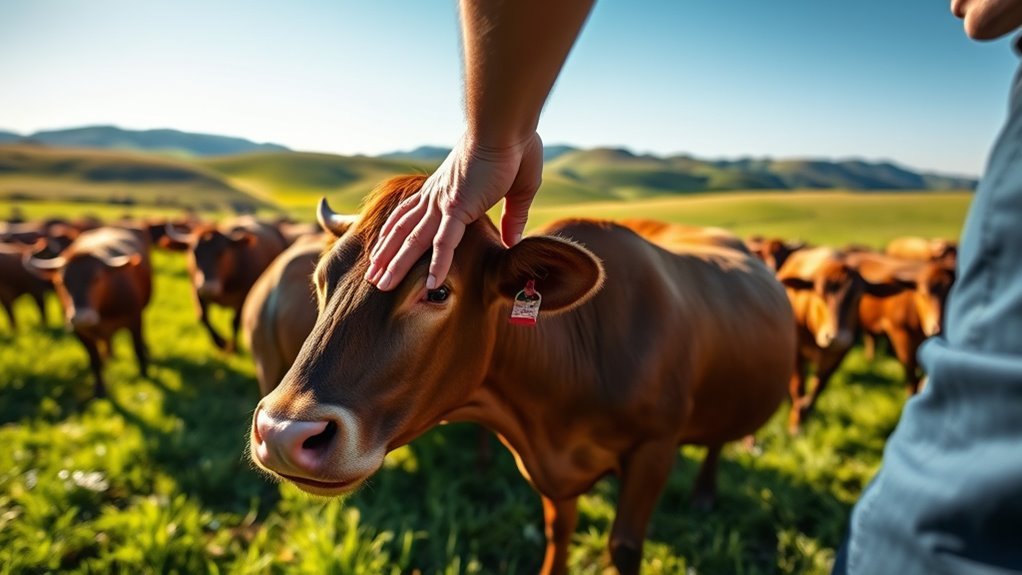
Although you might not see it on the surface, beef tenderloin comes from the psoas major muscle located deep along the cow’s backbone. This muscle is barely used, making it incredibly tender and prized among cuts of beef.
It runs along the spine beneath the ribs and is a long, cylindrical muscle stretching from the short loin to the sirloin section. Because it makes up only about 1% of the entire carcass, beef tenderloin is a rare prime cut.
You’ll find that this muscle is divided into smaller portions, including the well-known Filet Mignon, which comes from the smaller end of the tenderloin. Knowing where this prime cut comes from really helps explain why beef tenderloin holds such a special place in the world of steaks.
How Beef Tenderloin Grade Affects Price and Quality
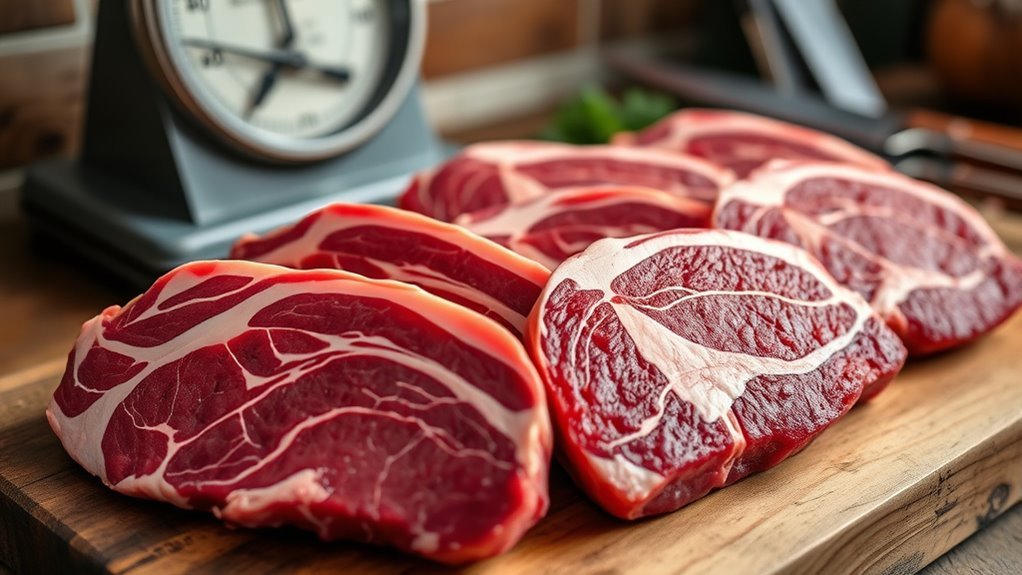
When you choose a beef tenderloin, its USDA grade plays a big role in both quality and price. The beef tenderloin grade directly impacts marbling, tenderness, and flavor. That, in turn, affects how much you’ll pay.
Here’s a quick look:
- Prime grade boasts abundant marbling, delivering superior quality and flavor. It often costs $25-$35 per pound.
- Choice grade offers moderate marbling and good quality. It’s a more affordable price, around $10 per pound.
- Select grade has minimal marbling and tends to be less tender and flavorful. This makes it the most budget-friendly option.
Prime grade cuts usually appear in high-end restaurants and specialty markets because of their premium quality and price.
Understanding beef tenderloin grade helps you balance quality with your budget effectively. So, you can pick what works best for you!
How Supply, Demand, and Market Trends Affect Beef Tenderloin Prices
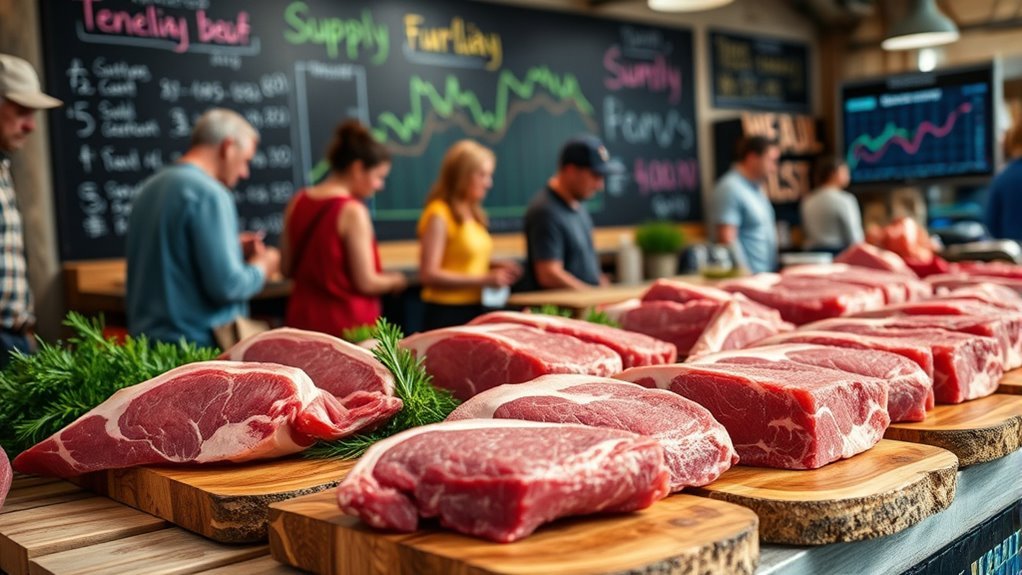
Understanding beef tenderloin grades gives you insight into quality and price, but there’s more to contemplate. The supply of high-quality cattle, especially prized breeds like Wagyu and Angus, directly affects beef prices.
When cattle herd size shrinks, supply tightens, pushing tenderloin costs higher. Demand also plays an essential role; premium cuts like filet mignon see price spikes during holidays and special occasions when more people seek top-quality beef.
Market trends further shape prices as consumer preferences evolve, with shifts toward organic and ethically raised products influencing costs. Additionally, economic factors and export demands can cause rapid fluctuations in beef tenderloin prices.
How Organic and Grass-Fed Beef Tenderloin Influences Cost
Because organic and grass-fed beef require more careful and resource-intensive farming methods, their tenderloin cuts usually come with a higher price tag. When you choose organic beef tenderloin or grass-fed beef, you’re paying for:
- Higher production costs due to organic feed and sustainable grazing
- Certification fees that verify organic and grass-fed claims
- Limited supply driven by longer cattle maturation and strict standards
- Retail price reflecting both quality and supply and demand dynamics
These factors push the price of organic beef tenderloin 20-50% above conventional cuts. Grass-fed beef often costs more because it needs more land and time to mature.
As a result, you’ll see prices ranging from $30 to over $120 per pound depending on quality and source. So, when you pick these options, you’re investing in premium quality backed by responsible farming.
How Trimming and Preparation Add to Beef Tenderloin Cost
Although trimming and preparing beef tenderloin adds extra steps, these processes play a key role in determining the final cost. Trimming involves removing excess fat and silverskin, which increases labor and handling time, directly impacting the price you pay.
While untrimmed tenderloins, like those from Costco, come with a lower initial cost, you’ll spend more time and effort preparing them yourself, raising the overall expense. Skilled trimming ensures a clean presentation and better cooking results, but that expertise factors into the final price at butcher shops.
Additional preparation tasks, such as tying and removing connective tissue, add handling costs as well. Ultimately, the labor-intensive trimming and preparation steps are built into the cost, making pre-trimmed beef tenderloin pricier but more convenient.
Frequently Asked Questions
What Factors Influence Beef Prices?
You’ll find beef prices influenced by cattle breed, quality grades, and feeding methods. Market demand shifts prices, while organic or grass-fed options cost more. Handling and environment also play key roles in determining beef costs.
Why Are Beef Tenderloins so Expensive?
You might think beef tenderloins cost so much because they’re rare—and you’re right. You’re paying for a tender, limited muscle, premium breeds, careful trimming, and high demand. That’s why your steak costs more.
What Is the Average Price for Beef Tenderloin?
You can expect to pay around $10 per pound for Choice grade beef tenderloin, while Prime grade usually costs between $25 and $35 per pound. Prices vary, especially for premium or specialty cuts.
How to Save Money on Beef Tenderloin?
You can save money on beef tenderloin by buying untrimmed whole tenderloins, choosing Choice grade, shopping sales, trimming it yourself, or opting for smaller cuts like center-cut steaks instead of pre-trimmed premium portions.
Conclusion
When you’re shopping for beef tenderloin, knowing these five factors helps you understand the price tag better. For example, did you know that organic, grass-fed beef can cost up to 50% more than conventional cuts?
That’s because quality, grading, and preparation all play a role in the final cost. Each element adds to the value and taste you get. So next time you pick up a tenderloin, you’ll be confident in what you’re paying for—and why it’s worth it.
Understanding these factors makes choosing the right beef tenderloin easier and more satisfying. Whether it’s organic, grass-fed, or a specific grade, knowing why beef tenderloin costs what it does lets you make smarter, tastier decisions every time.