Top 3 Sources to Buy Beef Fat for Deer Processing
You can get high-quality beef fat for deer processing from three top sources: local butcher shops, grocery stores with in-house meat departments, and specialized meat processors or farmers. These places are great if you want beef fat that’s fresh and perfect for making your venison juicy and flavorful.
Butchers often sell fresh, well-marbled suet or kidney fat.
Grocery stores offer convenient access to trusted fat cuts, which can be super helpful if you need something quickly.
Specialized meat processors or farmers might even provide organic options, giving you a natural choice.
Choosing these reliable sources guarantees your venison stays moist and flavorful. Keep exploring to find out how to pick the best fat for your needs.
Key Takeaways
- Local butcher shops are a top source for fresh, high-quality beef fat suitable for deer processing. They usually have good cuts and can help you pick the best fat for your needs.
- Grocery stores with in-house butchers often sell beef fat by the pound for venison mixing. It’s pretty convenient if you want to grab some while doing your regular shopping.
- Farmers or meat processors may offer organic beef fat, providing a natural and trusted option. This can be great if you’re looking for something a bit more wholesome.
- Always request specific types like suet or kidney fat for the best moisture and flavor in ground venison. These fats really help keep your venison juicy and tasty.
- Prioritize sources offering white or creamy fat with firm texture to ensure quality and freshness. This way, you get the best results in your deer processing.
Why Beef Fat Matters for Deer Processing
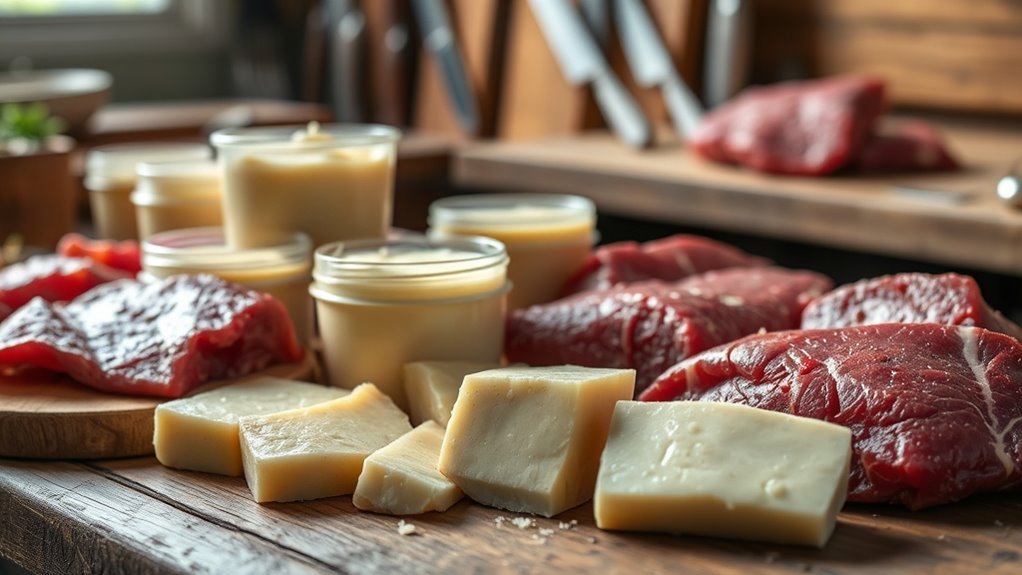
Although venison is prized for its leanness, adding beef fat like suet during deer processing helps you avoid dry, crumbly ground meat. When you mix beef fat into ground venison, it boosts moisture and enhances flavor without overpowering the natural taste of wild game.
Compared to pork fat, beef fat produces less grease and offers a milder, cleaner flavor, making beef suet a favorite among many hunters and processors. Whether you source beef fat from a local butcher shop or grocery store, it’s an accessible, cost-effective way to improve the texture and juiciness of your deer meat.
Incorporating quality beef fat during deer processing guarantees your final product stays tender, flavorful, and far from the dryness common in lean ground venison. It’s a simple step that makes a big difference.
How to Choose Quality Beef Fat for Venison
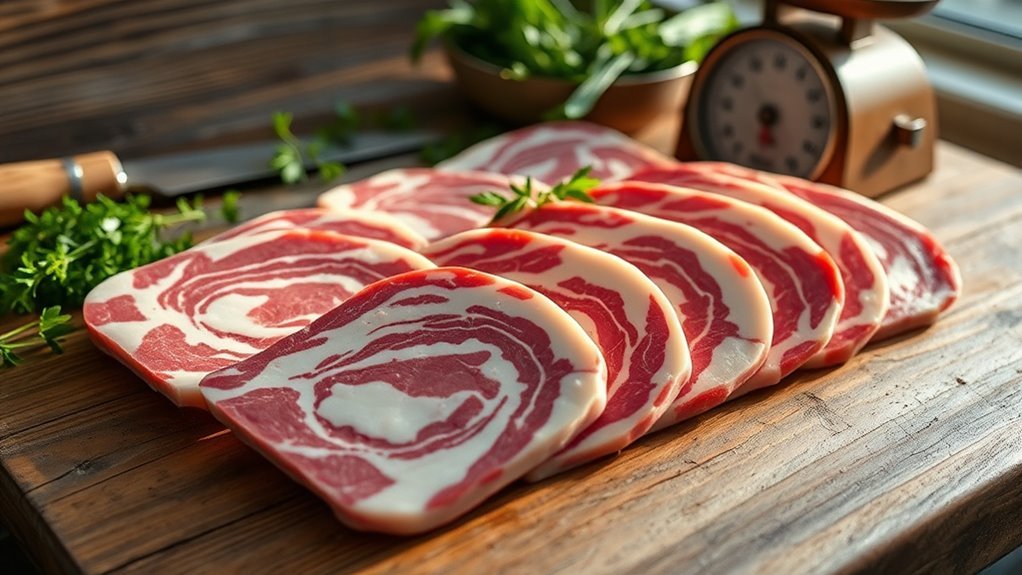
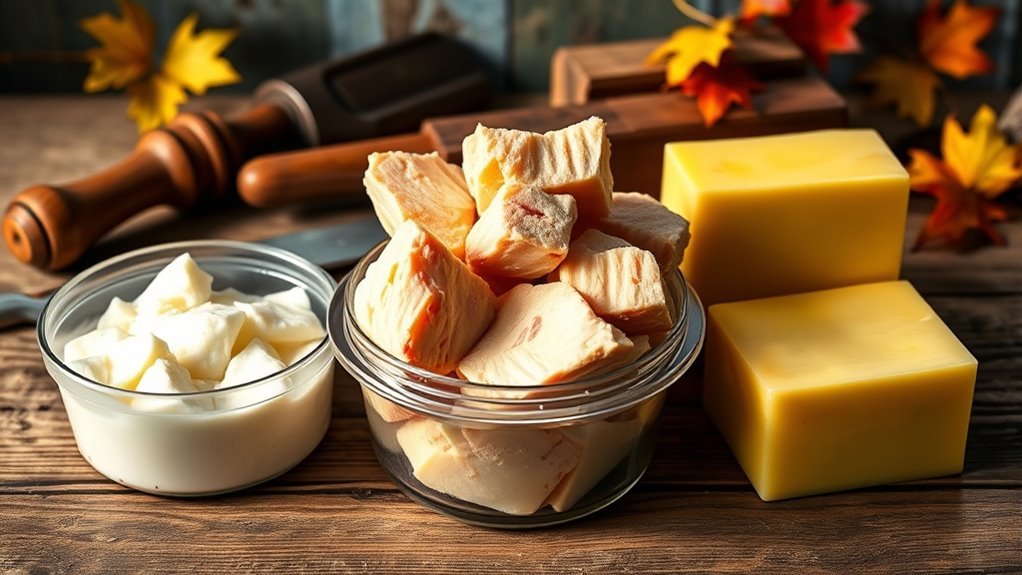
When selecting beef fat for your venison, focus on its color and texture to guarantee freshness and quality. Choose beef fat that’s white or creamy, like suet or kidney fat, since this indicates good quality and high fat content essential for flavor and moisture.
Avoid any fat with discoloration, dark spots, or a yellowish tint, as these signs suggest spoilage. The texture should be firm, not slimy or soft.
To ensure the best quality, get your fat from a local butcher you trust. They can provide fresh, well-marbled cuts ideal for venison processing.
Where to Find Beef Fat Near You: Butchers, Grocery Stores, and Processors
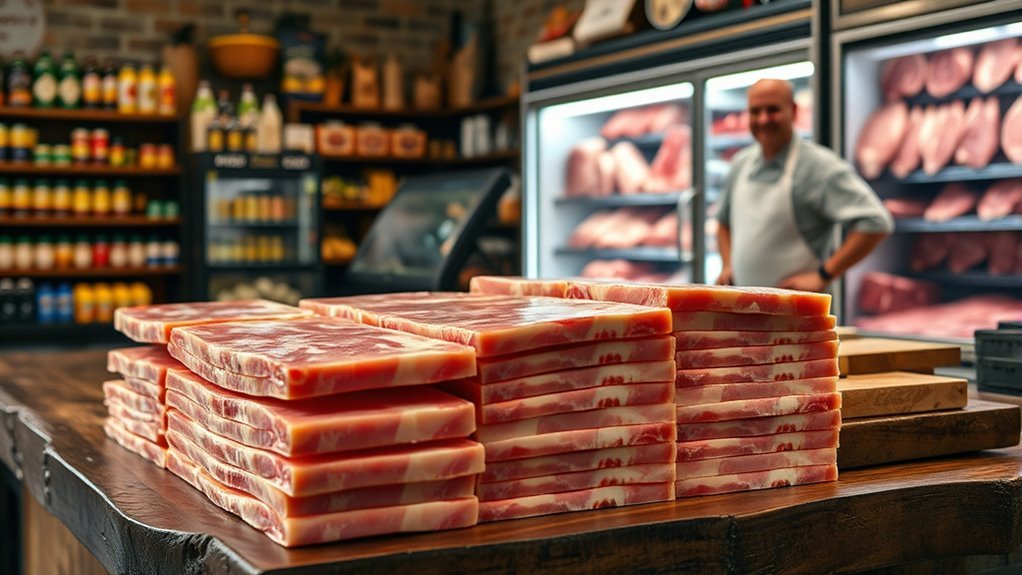
Once you know what quality beef fat looks like, the next step is finding a reliable source near you. Local butcher shops are excellent fat sources, often selling beef fat by the pound if you ask.
Grocery stores with in-house butchers or meat processors also provide suet, sometimes at little or no extra cost. When you visit, be sure to ask for beef fat specifically, mentioning the type you need—like suet or leaf fat—to get the best for deer processing.
Some farmers or processing plants offer high-quality, organic beef fat, which tends to be cleaner and whiter. Remember, butcher shops and grocery stores are your go-to spots for affordable, fresh beef fat that’ll improve your venison’s flavor and texture.
Frequently Asked Questions
What Is the Best Fat to Put in Deer Meat?
The best fat to put in deer meat is beef suet. It’s firm, has a neutral flavor, and melts at a higher temperature, helping your sausage or burger stay juicy and flavorful without becoming greasy or overpowering.
How Much Tallow Will 10 Pounds of Beef Fat Make?
While 10 pounds of raw beef fat seems hefty, you’ll actually get about 8 to 9 pounds of tallow after rendering. The process melts away moisture and impurities, leaving you with concentrated, pure fat for your needs.
Will Butchers Give You Beef Fat?
Yes, you can often get beef fat from butchers. Many have trimmings or suet and might sell or even give it to you for free if they consider it scrap. Just ask them directly.
What Are the Downsides of Beef Tallow?
Coincidentally, beef tallow’s strong, greasy flavor and waxy texture can overpower your dish and leave a mouth-coating sensation. You’ll also deal with higher saturated fats and greasier results, which might not suit your lean meat preferences.
Conclusion
Using quality beef fat in deer processing not only enhances flavor but also helps retain moisture in your venison. Did you know that venison wrapped in beef fat can stay juicy up to 30% longer during cooking?
By choosing the right sources like local butchers, grocery stores, or processors, you’re ensuring the best taste and texture for your game meat. These options make it easier to find fresh, high-quality beef fat that complements your venison perfectly.
So, next time you prepare venison, don’t overlook the power of good beef fat! Whether you get it from a local butcher or a trusted processor, using quality beef fat will make your deer processing results stand out. It’s a simple step that adds flavor, moisture, and an overall better eating experience to your game meat.